
Structure of Society
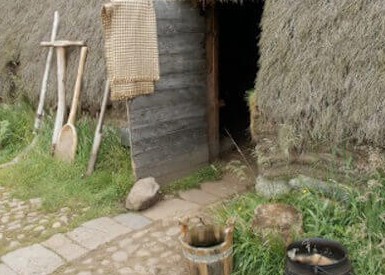
As you advance north across the Tay at Dunkeld, you are entering Atholl. The name, originally Athflota, means New Irelan
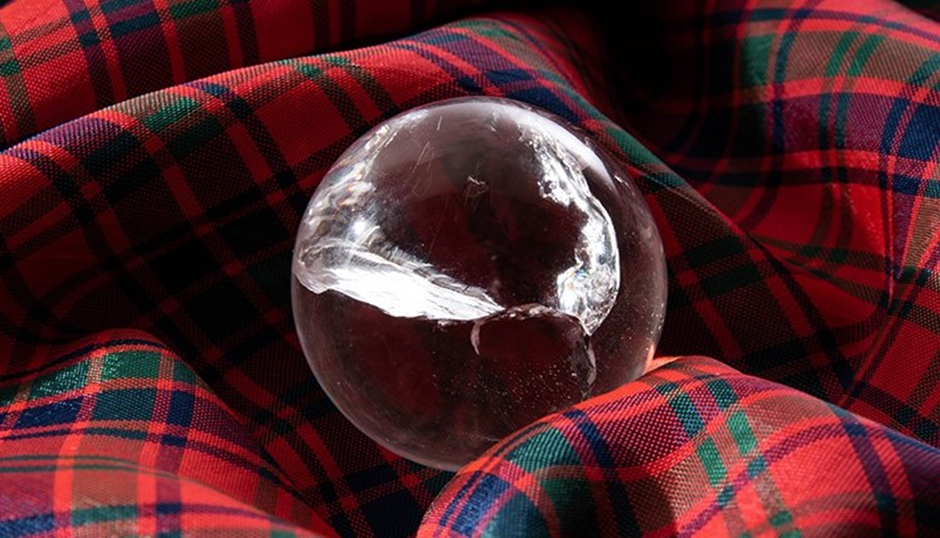
MoreThe Clach na Brataich (Gaelic for 'the flagstone') is possibly the most famous and has the oldest history of any Scottish charm-stone. This marvellous find was discovered whilst the men of the clan were marching toward Bannockburn on a mission to assist Robert the Bruce in warfare in 1314.
It was said to have been carried into battle before the Clan, confined in a little cage on top of the standard pole. Otherwise it lived in a silken purse, the last knitted for it by the Countess of Breadalbane. Its prime function was for healing. Any water in which the stone had been dipped had curative properties for both man and beast. It could also predict the future. When the stone became cloudy, it signified the approaching death of a chief. The consternation of the Poet Chief in 1715 when he consulted the Clach before going off to fight in the Rising can be imagined when he saw that it had developed a great crack through its heart. Perhaps it told the truth. If Struan had not joined the rebellion, his own fortunes and that of his successors might have been very different.
The Clach na Brataich is - according to the superstition of the Clan - a magical stone carried by all chiefs since Duncan. It was consulted like an oracle and is also said to have remarkable healing powers.
With the newly-found charm, Duncan and his Clan trounced the Macdougalls and captured their chief. He was imprisoned on Eilean nain Faoileag - the Island of Gulls - now topped with a castellated Victorian tower, at the west end of Loch Rannoch. A man rowed out with a barrel of apples. These were upset and during the confusion as the guards scrabbled around to retrieve them, Macdougall took the boat and escaped, leaving his captors marooned. An older version of this story has Macdougall living in comparative freedom under parole and breaking it to make his escape.
Duncan’s death and its circumstances appears in a manuscript written by Duncan the 14th Chief in the eighteenth century. He said he was copying what originally appeared in the Red Book of Clan Donnachaidh which was destroyed in a fire at Meggernie castle, Glen Lyon, in the 1650s.
‘Duncan desirous to have the whole or some part of his large possessions secured to him and his posterity by written rights from the crown repaired to court which was then at Scoon or at Perth. He had his enemies but it seems they could not prevail against his favour with the King; his business was finished of an evening, and next morning he was to pay his court and receive charters from the King's own hand. Besides other occasional attendants he always had twelve chosen servants about his person but one of them was a traitor, Blair by name who was bribed to destroy his master. This he actually accomplished for when Duncan was getting himself dressed in the morning for his appearance at Court, Blair with his fist struck a razor or knife into the crown of his head, and then attempted to escape, but his master drove a chair at him which broke his back and Kenneth McGilivie another of the servants dispatched the traitor with a spear. All this was hushed up for the time. Duncan immediately caused his head to be bound up with bandages and caps and went to Court. The King observing his countenance as well as the tying up of his head, asked of him what was the matter and he answered that indeed the Gentlemen of the court had made him sit up and drink more than was fit for a man of his age. He received his papers and departed but had not gone far from court when his People were obliged to put him in a litter; his papers were laid under him, he ordered his men to carry him to Dull and not to slacken their speed whether he was dead or alive, and if he should die by the way his body was not to be touched till his son Robert should arrive. Robert found the charters and buried his father at Dull.’
Duncan married twice, once to a daughter of the Earl of Lennox through whom he secured Rannoch and secondly to the co-heiress of the Ewen, Thane of Glentilt, and thus greatly extended his lands. By his second marriage he had a son, Patrick who obtained Lude and his descendants held that property for the next five centuries.
As you advance north across the Tay at Dunkeld, you are entering Atholl. The name, originally Athflota, means New Irelan
More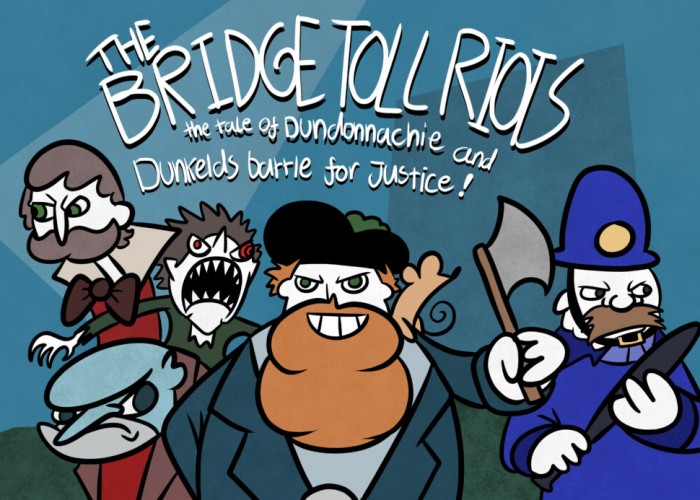
Alexander 'Dundonnachie' Robertson was the rogue instigator of the 1868 Riots.
More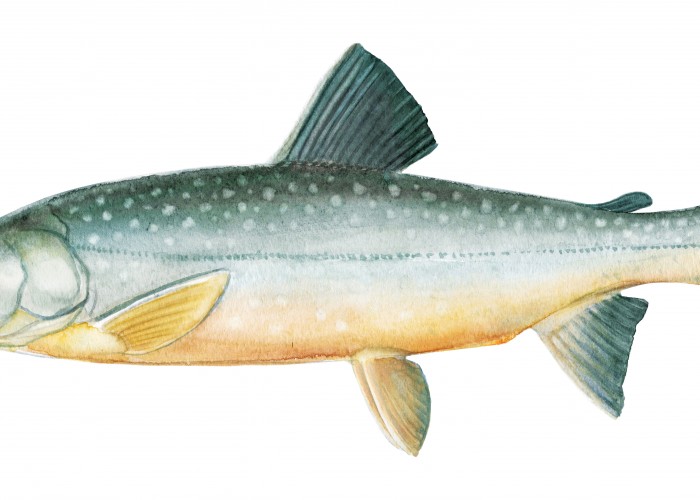
This is a fish known more widely as an Arctic charr, Salvelinus alpinus, to give it its appropriate Latin binomial classi
More
What a wonderful gathering this year. Thanks so much to those that worked so hard to organise it again and ma
More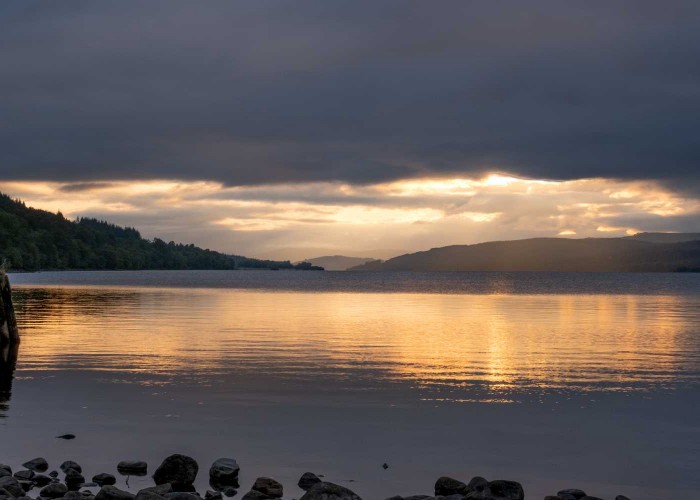

The Lairds of Clan Donnachaidh at the Battle Of Culloden in Support of the Jacobites
More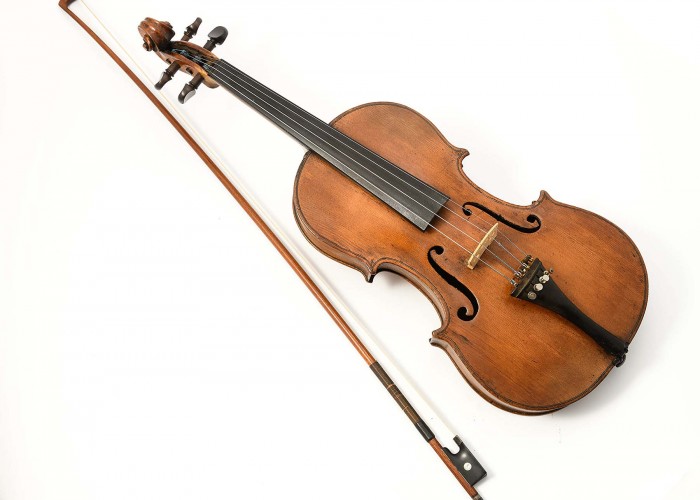
The violin (or fiddle as it is commonly called in Scotland) is an important musical instrument used in Scotland partic
More
The film location of the fictional stone circle called Craigh na Dun, where Claire travels back in time.
More
James Robertson of the Invervack family was Sheriff of Tobermory on the Island of Mull.
More
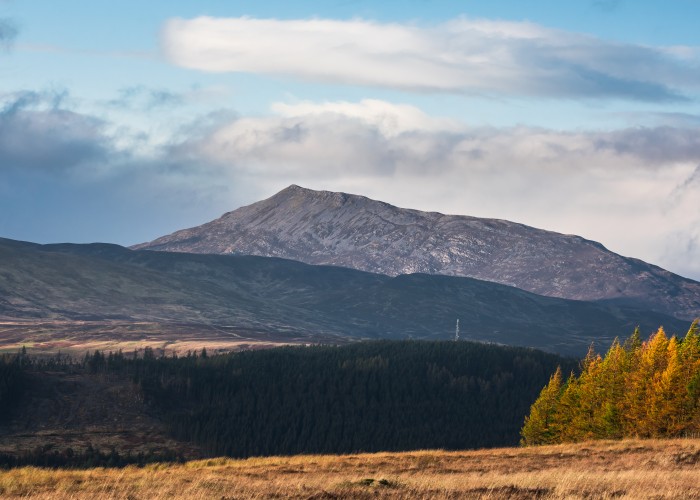

300 years ago the hillsides were dotted with little townships huddled round a good spring or well.
More
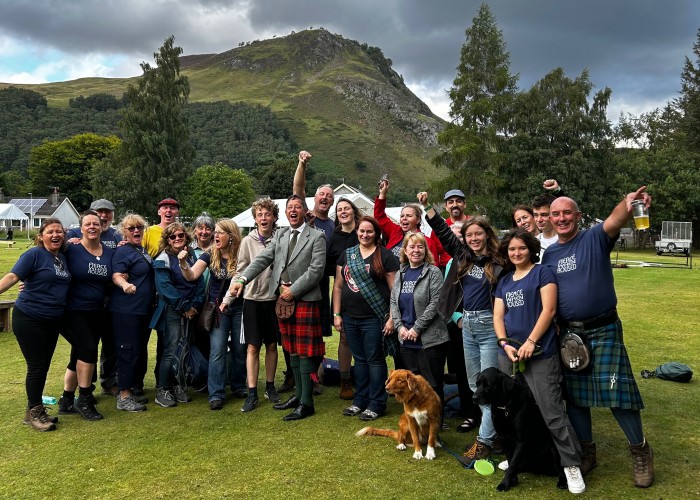
It was wonderful to meet up with so many members and supporters – both locally and from overseas
More