

Warfare
The old two-handed sword of the sort wielded by Wallace and Bruce is the claidheamh da laimh. The later, basket-hilted, lighter, doub
MoreAs you advance north across the Tay at Dunkeld, you are entering Atholl. The name, originally Athflota, means New Ireland and appears in the Annal of Ulster, indicating that the Gaels or their language had arrived in the Pictish heartland by 739. Atholl became a Celtic earldom - which included much of the land now called Breadalbane - and later a Regality within which the holder of the title wielded absolute rule. The forces of the state could do little to curb the turbulent clans, particularly during the long minorities of the Stewart kings when central authority was weak. Control was devolved to the great Highland magnates. If one of these became too strong for the royal peace of mind, the monarch would encourage another to wage war upon his overmighty neighbour. This way the king kept a balance of power.
One of these great men of the nation was the head of the family of Atholl. He was Lord Lieutenant and Sheriff Principal of Perthshire and Lord of the Regalities of Atholl and Dunkeld. From Dunkeld, where he administered his domain and had his southerly seat, up the straths of the Tay, the Tummel, and the Garry, he had power of life and death over everyone. In his name did his lairds sit on juries in his courts and sentence malefactors to his prison at Logierait or to be beheaded or hanged upon the execution mounds.
Great men held their land by charter from the king. They, in turn, granted heritable estates to their chieftains or lairds who, in Atholl, numbered about eighty. The king might command the earl to raise an army. The earl then instructed each of his lairds to muster the fencible men - those between sixteen and sixty capable of bearing arms - on his estate. Each of these might hold half a dozen little settlements whose inhabitants, like their lairds, had interbred for generations. These tenants and subtenants were the pawns in the politics and feuds of the magnates and it has to be said they often showed considerable enthusiasm for their duty. They may have lived and farmed the same patch of land for centuries but they had no security of tenure. Their lives were at the whim of the earl, and their livelihoods at the whim of their lairds.
The system could have led to tyranny, but it was tempered by kinship. Ask in Gaelic from where a man comes and the question literally translates as from whom does he come. Genealogy was the corner stone of the culture, fitting each person into the community. The incoming henchmen of the kings and of the Stewart earls of Atholl were given estates populated by the ancient inhabitants of the district. These lairds soon went native and for centuries intermarried with the locals. Just as the younger kinsfolk of the king might become lairds, so the younger offspring of the lairds might marry tenants, and their younger children could wed the most humble on the estate. Thus each Athollman and woman could trace their ancestry into the intertwined kinship network of the Stewart, Robertson, Menzies and Fergusson lairds which connected to the royal line. Everyone knew they were aristocrats, descended from princes, and they looked upon Lowlanders as an ill bred rabble.
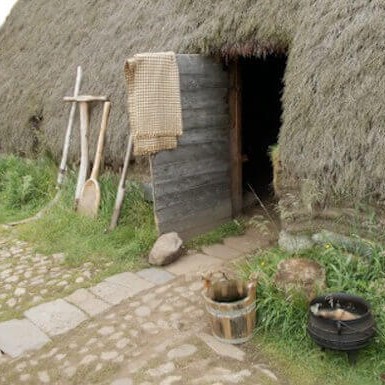
The old two-handed sword of the sort wielded by Wallace and Bruce is the claidheamh da laimh. The later, basket-hilted, lighter, doub
More
What a wonderful gathering this year. Thanks so much to those that worked so hard to organise it again and ma
More

The Lairds of Clan Donnachaidh at the Battle Of Culloden in Support of the Jacobites
More
Clach na Brataich is a legendary stone with historical significance in Scotland and associated with Clan Robertson.
More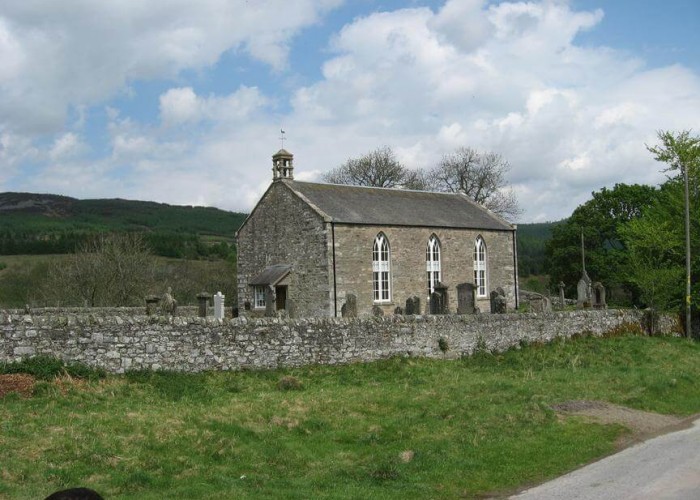
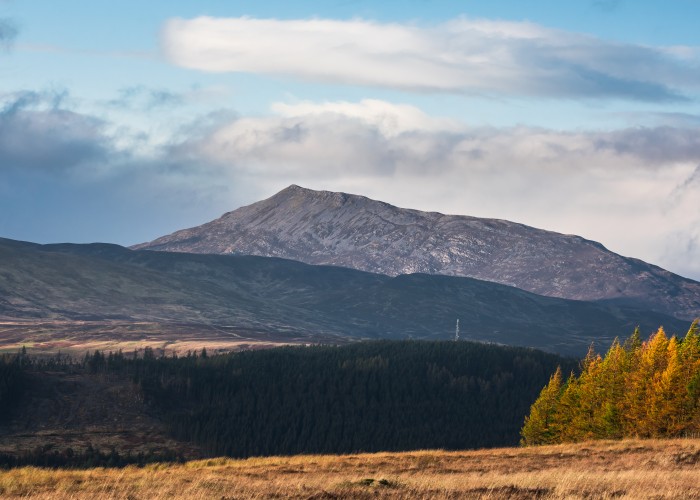

300 years ago the hillsides were dotted with little townships huddled round a good spring or well.
More
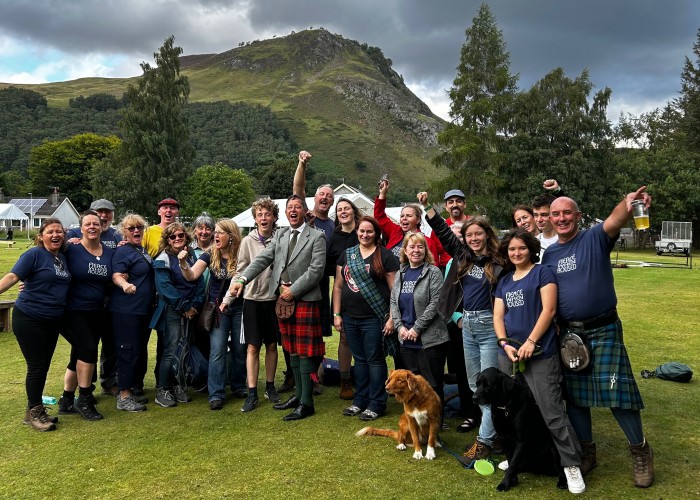
It was wonderful to meet up with so many members and supporters – both locally and from overseas
More