
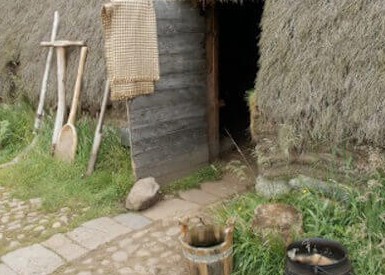
Structure of Society
As you advance north across the Tay at Dunkeld, you are entering Atholl. The name, originally Athflota, means New Irelan
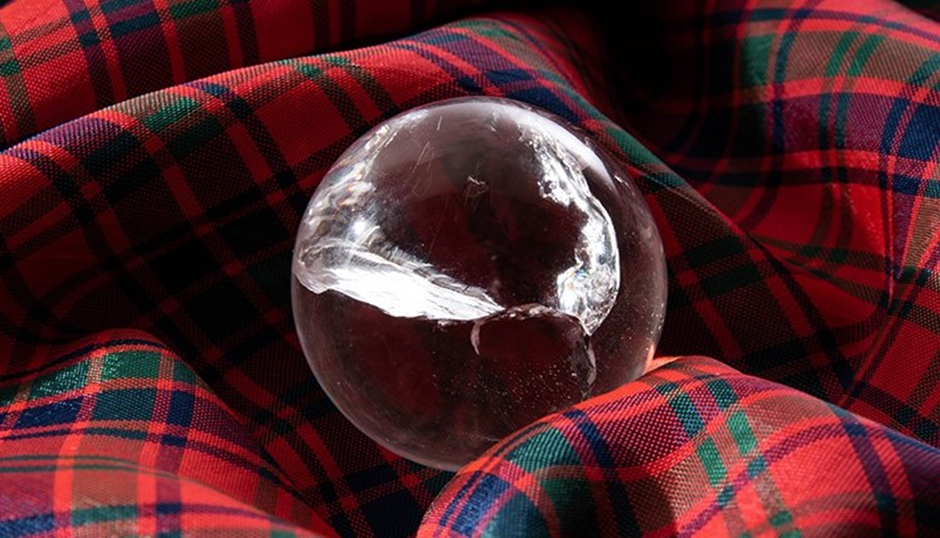
MoreThe Clach na Brataich (Gaelic for 'the stone of the standard') is possibly the most famous and has the oldest history of any Scottish charm-stone. The Clach na Brataich is on display at the Clan Museum.
It was said to have been carried into battle before the Clan, confined in a little cage on top of the standard pole. Otherwise it lived in a silken purse, the last knitted for it by the Countess of Breadalbane. Its prime function was for healing. Any water in which the stone had been dipped had curative properties for both man and beast. It could also predict the future. When the stone became cloudy, it signified the approaching death of a chief. The consternation of the Poet Chief in 1715 when he consulted the Clach before going off to fight in the Rising can be imagined when he saw that it had developed a great crack through its heart. Perhaps it told the truth. If Struan had not joined the rebellion, his own fortunes and that of his successors might have been very different.
The Clach na Brataich is – according to the superstition of the Clan – a magical stone carried by all chiefs since Duncan. It was consulted like an oracle and is also said to have remarkable healing powers.
The 14th Chief, exiled after the 1745 Rising, wrote the earliest surviving account of the traditions surrounding the stone.
‘There is a kind of stone in the family of Strowan which has been carried in their pockets by all their representatives time out of mind. Tradition says that this stone was found by Duncan Ard of Atholl, the founder of that family in Perthshire, in the following manner: as Duncan was in pursuit of McDougal of Lorn, who had made his escape from him out of the island of Lochranoch, night came upon him towards the end of Lochericht, and he and his men laid them down to rest, the standard Bearer fixing the Staff of his Standard in the Ground; next morning when the man took hold of his Standard (as it happen'd to be in loose Spouty Ground near a fountain) the Staff which probably was not very small nor well polished in those Days brought up a good deal of Gravel and Small Stones, and amongst the rest came up this Stone, which being of a brightness almost equal to Crystal, Duncan thought fit to keep it.’
The latest account of the stone having been used as a curative agent relates to the 16th Chief, Captain Alexander Robertson, who succeeded as chief in 1822 and died in 1830. The old soldier ‘a man remarkable for the stately courtesy of his manners – with much ceremonious gravity’ dipped ‘this crystal in a great china bowl filled with spring water … which he then distributed to a number of people who had come great distances to obtain it for medical purposes’.
As you advance north across the Tay at Dunkeld, you are entering Atholl. The name, originally Athflota, means New Irelan
More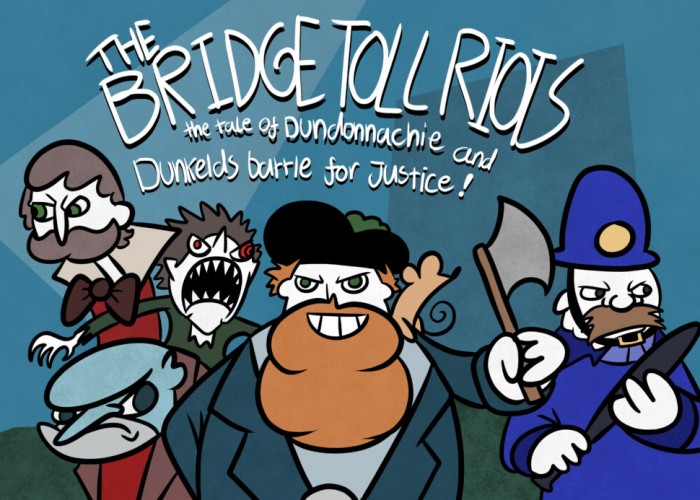
Alexander 'Dundonnachie' Robertson was the rogue instigator of the 1868 Riots.
More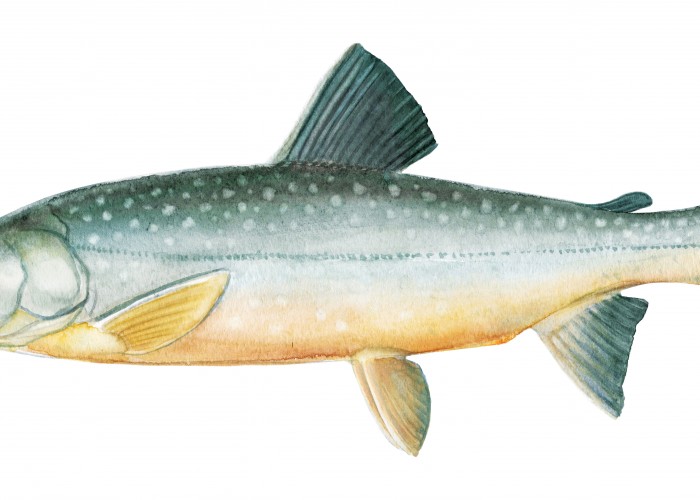
This is a fish known more widely as an Arctic charr, Salvelinus alpinus, to give it its appropriate Latin binomial classi
More
What a wonderful gathering this year. Thanks so much to those that worked so hard to organise it again and ma
More

The Lairds of Clan Donnachaidh at the Battle Of Culloden in Support of the Jacobites
More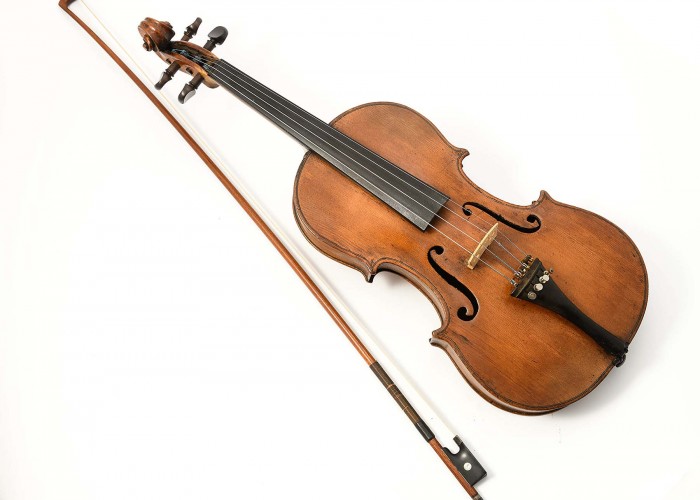
The violin (or fiddle as it is commonly called in Scotland) is an important musical instrument used in Scotland partic
More
The film location of the fictional stone circle called Craigh na Dun, where Claire travels back in time.
More
James Robertson of the Invervack family was Sheriff of Tobermory on the Island of Mull.
More


300 years ago the hillsides were dotted with little townships huddled round a good spring or well.
More

It was wonderful to meet up with so many members and supporters – both locally and from overseas
More