
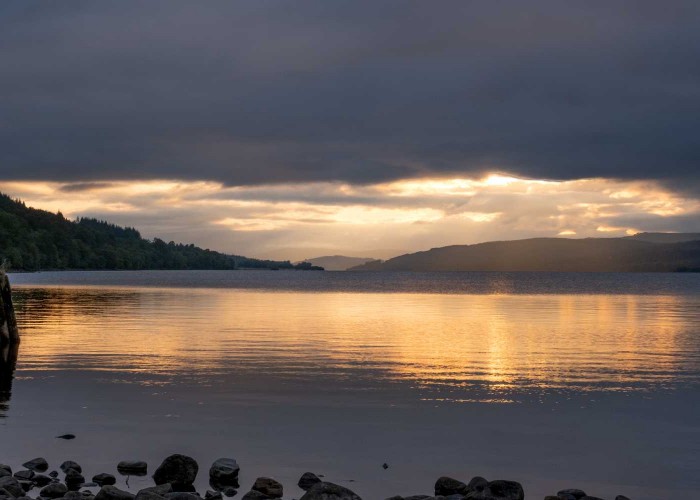
Rannoch
The village of Kinloch Rannoch was created in the period after the '45. It is a nomenclatural oddity.
MoreThis grim little fortalice was probably built by Alexander Stewart, earl of Buchan, who is better known to history as the Wolf of Badenoch. Son of the first Stewart king, Robert II, and great-grandson of Robert Bruce he was a law unto himself north of the Highland line and an uncomfortable man to have in any position of authority. So much so that the Gaels called his descendants 'Children of the Accursed Whelp' and there were plenty of them. David Stewart, he of the statue, estimated in 1820 that four thousand people in Atholl descended from the Wolf's son who settled at the castle.
For a century the family were pillars of the community, slaughtering only the king's enemies, until the time of Neil Gointe. A free translation of his name would be Neil the Bitter and Twisted. Soon after inheriting Garth he fell out with his neighbours, particularly Sir Robert Menzies who was charged by the king to keep order in Rannoch. But Neil protected the gangs of outlaws who preyed on the people and incited them to direct their assaults on Sir Robert and his dependents. Finally, in 1502, Neil and his henchmen attacked Castle Menzies, burnt it to the ground and pillaged Weem, Camserney, and other Menzies properties. Sir Robert was stuffed into the dungeon of Garth Castle and starved in order to encourage him to sign over to Neil the local estates that he coveted.
King James IV then came north to sort out the affair. Neil kept his head by surrendering his captive once he had extracted a document in which the prisoner forgave his captor. Having been deprived of control of much of his estates Neil's later years are obscure but he survived into very ripe old age, dying in 1554. He was suspected of murdering his wife by dropping a rock on her head when she was down in the burn below the castle. Tradition has it that his last nine years after her death were spent in the dungeon of his own castle.
It is interesting to compare this, the oral tradition's vilification of Neil, with documented history. The dispute was about land and Neil was supported by the Stewarts of both Grantully and Bonskeid. Three years after the burning of the Menzies stronghold, the king confirmed Neil in the lands he inherited. And the Menzies never did win possession. The earl of Huntly, married to Neil's sister-in-law, became titular lord of the disputed estates but Neil retained control. His second wife was killed by a stone falling from above but the man responsible is named as Alexander Stewart and the use of 'negligently' in the contemporary report would, at worst, indicate a culpable homicide rather than murder. The tradition that Neil lived his last nine years in his own dungeon would seem to be a confusion with his ancestor the Wolf who built Garth Castle and did indeed spend a considerable time imprisoned by his royal father after the burning of Elgin cathedral. The Wolf himself did his penance and now lies in Dunkeld cathedral, his tomb topped by an effigy of himself in full armour.
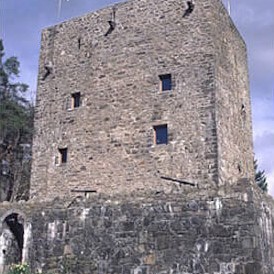
Once fortifications would have covered the site of Garth Castle but now only the central keep remains. Brutally plain and functional, it is built of unhewn boulders, its height twenty metres, its two metre-thick walls containing the staircase. It sits on a promontory that juts out over the gorge containing the Keltney burn. The neck of the promontory was then broken which made the building virtually impregnable before the days of gunpowder and sufficient of a nuisance afterwards for Cromwell's soldiers to render it unusable after Glencairn's Rising in 1653. The castle remained a ruin for three hundred years but its inaccessibility and the size of the stones with which it is constructed preserved it from the fate of most of the little clachans which dotted Atholl. These have vanished, mined by Victorians to turn into drystone dykes, shooting lodges, barns, and paved yards.
The castle was restored in the 1950s although the architect, curiously, left it with a flat roof instead of the gables with which it had once been more elegantly endowed.
The village of Kinloch Rannoch was created in the period after the '45. It is a nomenclatural oddity.
More
Situated in the central part of Scotland, Strathtummel is within easy reach of highland Perthshire, home to historical sites and
More
Along the north face of the strath between Logierait and Aberfeldy are eleven estates whose boundaries have been largely unchanged
More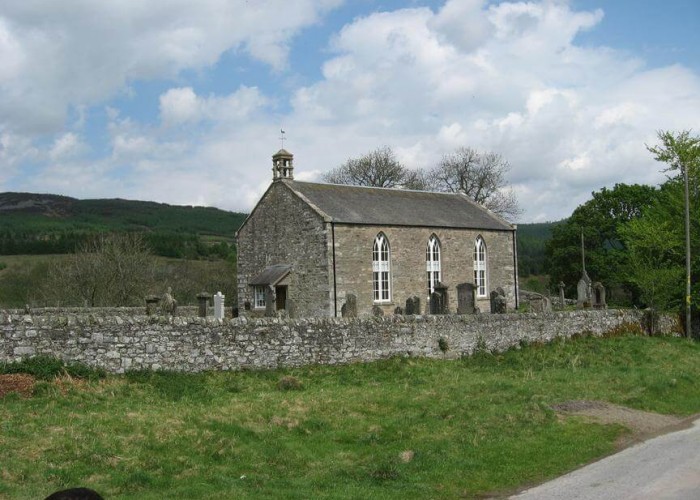
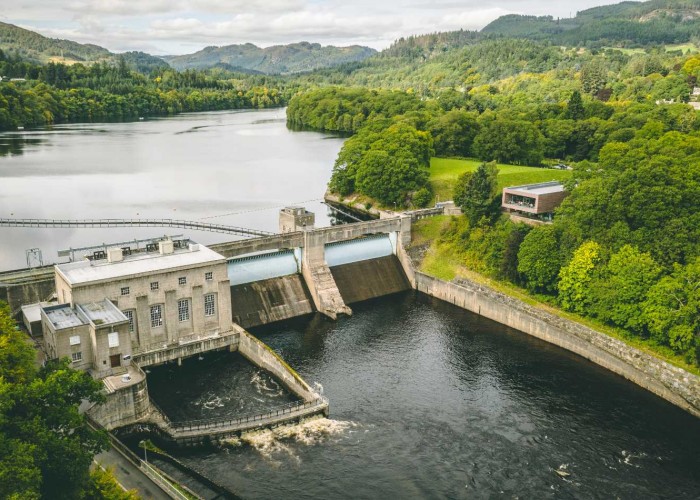
Pitlochry has kept pace with the times. Thousands come from all over the world to make this one of the most important stops on the
More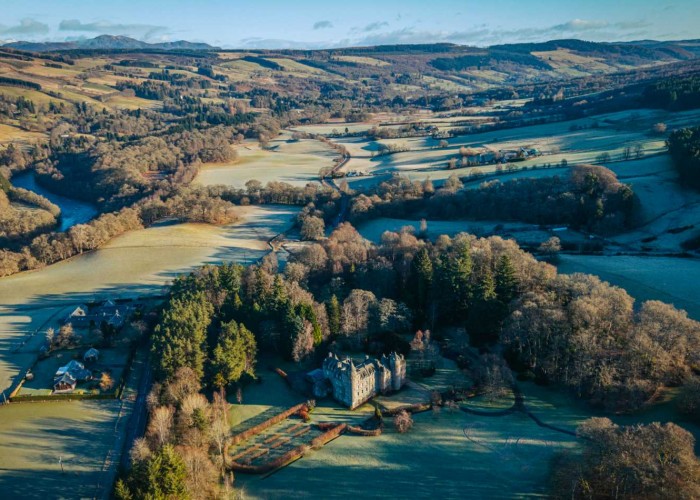

St Mary's Chapel in Grantully near Aberfeldy with a magnificent 1600s painted ceiling
More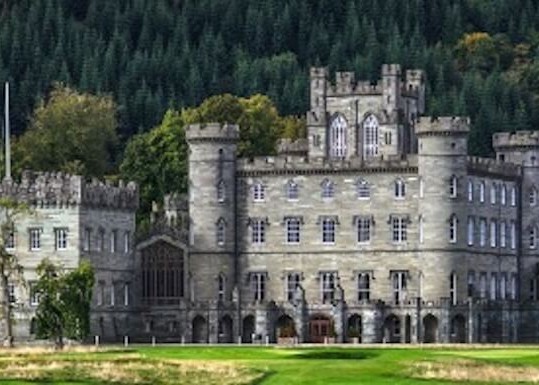
The spectacular Gothic edifice of Taymouth Castle is one of the grandest buildings in Scotland. Most was completed in 1807 by
More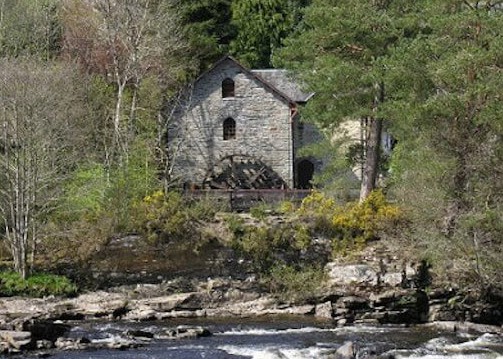
Much of what is now called Breadalbane used to be in Atholl but the incoming Campbells of Glenorchy took the name as the title of
More
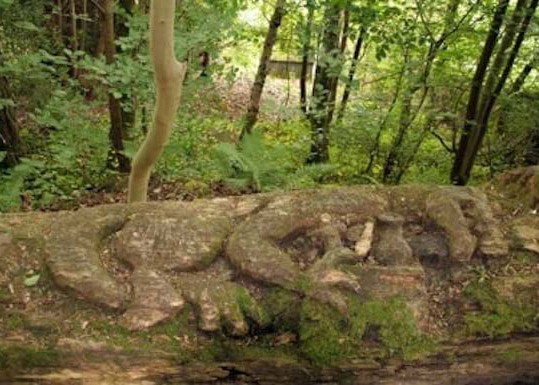
The name comes from the word 'uamh' in Gaelic which means cave. The caves are in the wooded crags above the village
More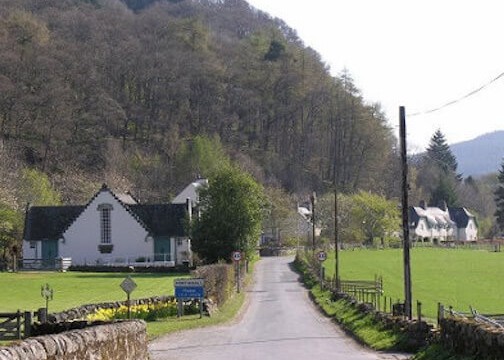
Recently crop marks have been observed much closer to the village and, although confirmation is still needed, they show signs of b
More
Dunalastair and the estate is home to rare wildlife of Perthshire with offers scenic strolls around famous gardens
More
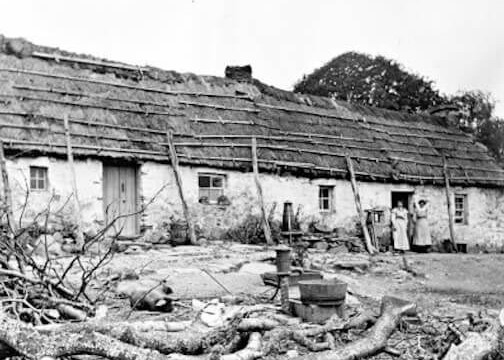

Some appreciate Highland Perthshire as no more than one of the most beautiful parts of Scotland.
More
The chiefs of Clan Menzies used to have their seat at Comrie Castle on the south bank of the river Lyon
More
Dunkeld and its cathedral were saved by the Dukes of Atholl. They were the law across 500 square miles of the Highl
More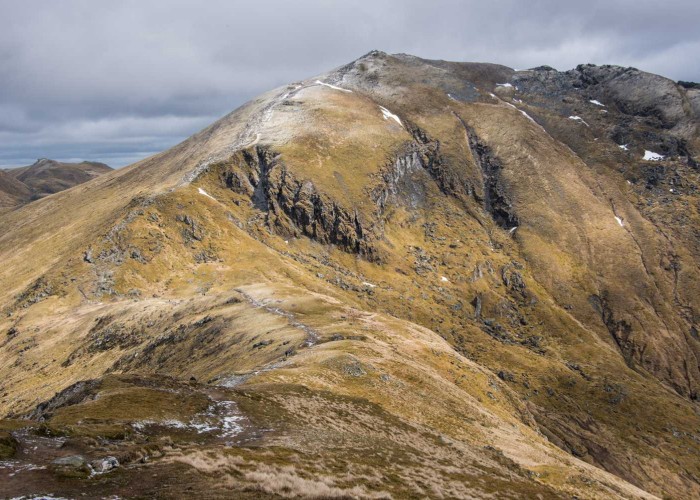
In the last few summers, Glasgow University archeologists have been exploring the mountain and have discovered t
More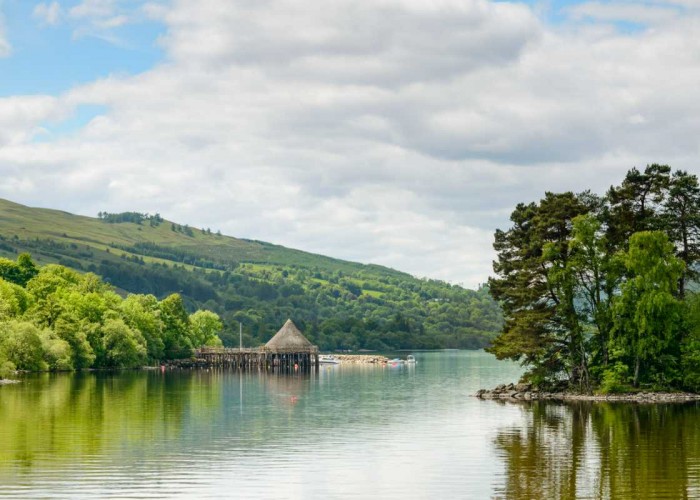
This, Scotland's sixth biggest loch, covers six and half thousand acres in its 14 miles between Kenmore and Killin. For thousan
More
The Glen was once home to over a thousand folk and on one of the best trodden thoroughfares between the western Highlands and the E
More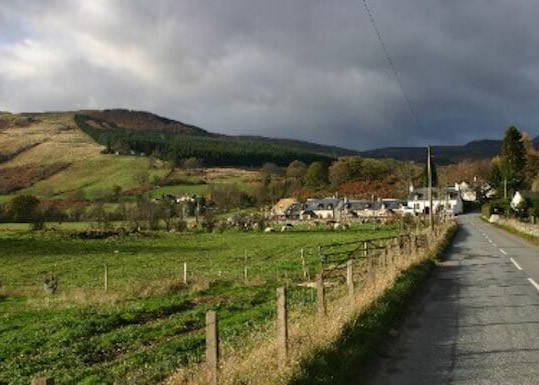
The statue to David Stewart of Garth, erected by the Stewart Society in 1925, in the uniform of a Black Watch captain
More
The double stone circle of Mary's Croft, an impressive standing stone monument in highland Perthshire
More

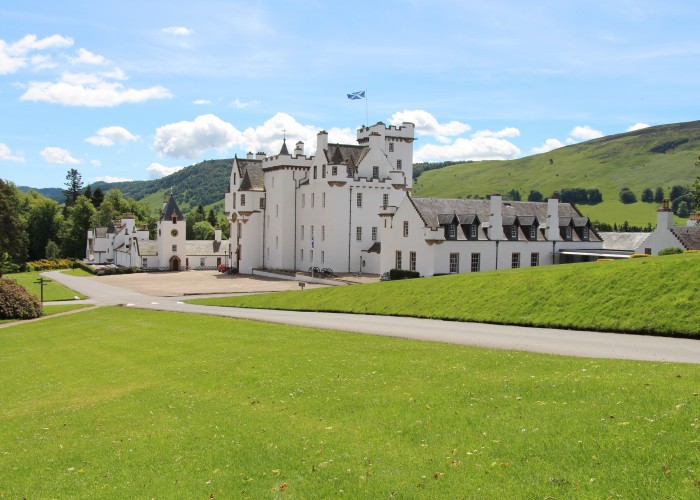

Aberfeldy is what used to be called a thriving market town. The market has long closed but the town still thrives.
More
The site of the clan centre at Bruar is at the base of one of those spectacular gorges carved through soft rock by a burn in spate
More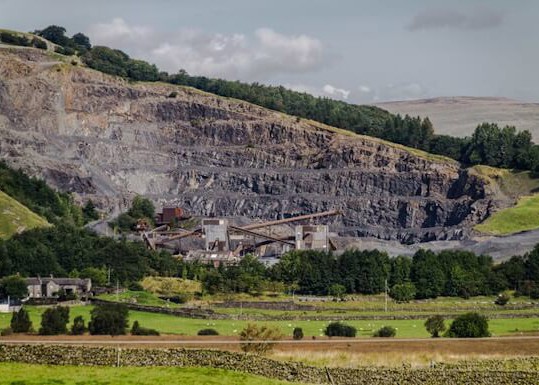
The history behind Shierglas Quarry - Set back the busy A9 road, connecting the south and north of Scotland.
More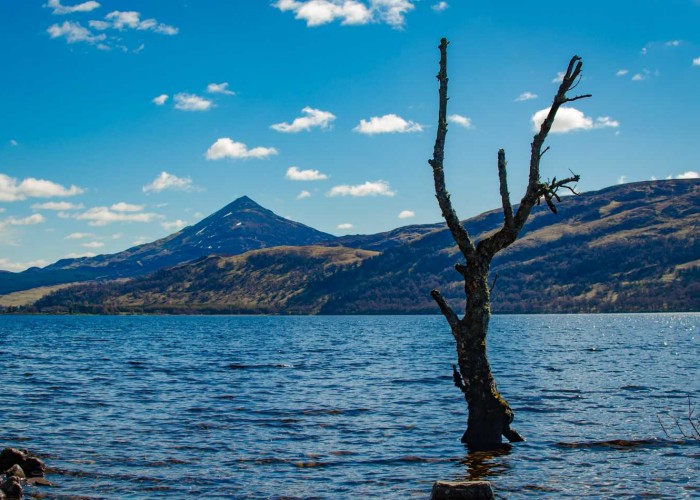
Like an island, the peak of Schiehallion stood above the ice. The millennia of frost left the shattered boulders and scree that
More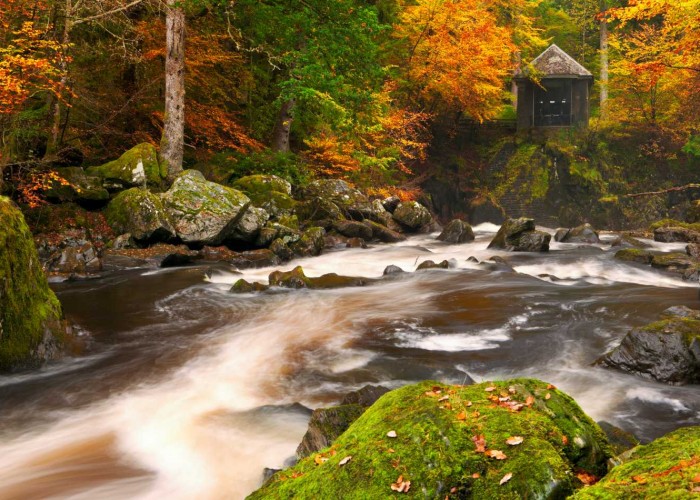
The building contained a chandelier and its walls were lined with mirrors reflecting the falls of turbulent river which was int
More
The castle, in private hands, dates from the late 1600s but doubled in size early this century.
More