

Strathtummel
Situated in the central part of Scotland, Strathtummel is within easy reach of highland Perthshire, home to historical sites and
MoreParts of the western Highlands were devastated by government troops after the crushing of the '45 Rising but Atholl got away comparatively lightly. The exceptions were Glen Errochty and Rannoch. Nowhere in Atholl had the Jacobite flame burned more fiercely. The greatest of the Culloden casualties had been on the extreme right of the line which was the position held by the first battalion of the Atholl Brigade and these were the men from Tummelside. The government knew this was the heartland of the rebellion in Highland Perthshire. Moreover the Campbells of the Argyll Militia had been headquartered at Kynachan near Tummel Bridge when they had been caught unawares during Lord George's raid just before Culloden. They wanted revenge for the humiliation. Twice they ravaged the land between lochs Tummel and Rannoch.
The surviving fugitive Jacobites skulking in the hills and woods could do no more than watch their homes being destroyed from the crags above. One, Allan Stewart of Innerhadden, amused himself by writing verse. A contemporary informs us that he composed best when 'warm flustered with whisky'. The leader of the Argyll Militia on the second raid was Colin Campbell of Glenure, victim of the Appin murder in 1756 which was the foundation of R.L. Stevenson's novel 'Kidnapped'. This author spent a season at Moulin above Pitlochry and produced 'Thrawn Janet'
The only two estates in Atholl to be confiscated after the Rising were in Strathtummel. Lochgarry was one. Its laird was an old Jacobite war horse, Donald Macdonnell, who was on the prince's council with Lord George Murray and the other chiefs. He escaped with the prince in the French frigate 'Heureux' after the same six months hiding in the heather.
The other belonged to the Chief of Clan Donnachaidh. Before the '45, Rannoch was one of the most remote, poverty-stricken, and backward regions of the Highlands but this changed. Amid the government's policy of cultural genocide applied to the Highlands after the '45, the record of the Commissioners for the Forfeited Estates is a light in the darkness of persecution. The clan system froze its society. The Chief had total power over his tribesmen and warfare was both a recreation and an instrument of policy. Matters such as agricultural improvements, the creation of infrastructure, industry, and raising the living standards of the people were not on his list. These were the priorities of the factors on the confiscated estates.

The village of Kinloch Rannoch was created in the period after the '45. It is a nomenclatural oddity. Kinloch means the head of the loch whereas this village is at the foot. Similarly, a good general rule is that a river originates in the loch that bears its name. Not so with the Tummel which one would expect to be called the Rannoch. Redcoats built roads from Tummel Bridge and round the side of Schiehallion. The river was bridged adjacent to the new settlement. Initially this was to be populated by retired soldiers who would act as long term insurance against further rebellions, but their habits - picked up in a thousand European estaminets, bierhaufs, and alehouses - militated against the bucolic rhythms of a croft and so Rannoch people were given leases for their own few acres for the first time.
The factors encouraged the linen industry by building little mills. Craftsmen moved in to keep the machinery in repair. This brought cash into the community and gave more economic power to the women who did the work. Lime burning was introduced to reduce the natural acidity of the soil and grow more crops, particularly the potato.
At one time the Commissioners intended to drive a road across Rannoch moor to Glencoe and thus make Kinloch Rannoch the hub of the Highlands. Two hundred and fifty years later, the road is still occasionally mooted. The redcoats built themselves a barracks at the head of the loch and continued their road westwards for a few miles. They were even put to work in a futile attempt to drain parts of the moor and make it cultivable. Today the scars are still visible.
The man best remembered in Rannoch from this time was Dugald Buchanan. He was from Balquhidder and won the job of schoolmaster at Kinloch in 1764. Today a memorial stands in the centre of the village to commemorate the impact that he made upon the people. He was 'affable, free, and jocular...a severe disciplinarian, feared, but at the same time beloved.' He was a great religious poet in Gaelic as well as a teacher and preacher and in the ten short years before he was carried off by fever he brought about a moral and religious transformation of the people. The soil would have been fallow. Their culture had been turned upside down and they were waiting for something to fill the void but they were fortunate in having a man of the quality of Buchanan to introduce them to the morality and beliefs of the rest of the nation
The Pedlar's Stone by the hotel complex on the north shore of the loch was where the packman's load slipped when he rested it upon the stone and he was strangled by a strap. These men used to trudge round the Highlands carrying knives, needles, mirror, ribbons, salt, spices and anything else they thought might sell. They peddled luxuries and the necessities of life that the land and the estate craftsmen could not manufacture. Later they carried chapbooks, precursors of the paperback, which told vivid stories with religious morals, or simply vivid stories which were avidly devoured by the Highland people once education had reached the remoter glens.
The pedlar was also greatly valued as a source of information and news. The more he could produce the greater his welcome and his sales. He brought knowledge of the nation fresh from Edinburgh or London. He also brought news and gossip, if they are not interchangeable terms, from the neighbouring estates and clachans. He would be welcomed at the mansion house of the laird with a dram and would glean what he could for dissemination round the townships. The doings of the family in the Big House was a subject of absorbing interest to the tenantry.
On the north side of the loch, the slios min - the smooth slope - the soil was more fertile and faced south to the sun. Here and out into Rannoch Moor the land was held by the Menzies but he seems to have had but the loosest control over its people. The king more than once ordered him to curb the brigands and outlaws, usually MacGregors, who infested the area. Menzies clansmen were rare in Rannoch. Most of the inhabitants of the north side of the loch were Camerons and Macdonalds who had spilled across the moor from their own clan lands. The remarkable remoteness of Rannoch from its neighbours was shown when the Menzies failed to notice that his land was being squatted upon by these outsiders who were paying their rents to their own chiefs. In reality the lord of the land was always the man who could protect or intimidate the people and, far from the rule of law, the contents of treasured charter chests were sometimes of only academic interest.
Situated in the central part of Scotland, Strathtummel is within easy reach of highland Perthshire, home to historical sites and
More
Along the north face of the strath between Logierait and Aberfeldy are eleven estates whose boundaries have been largely unchanged
More
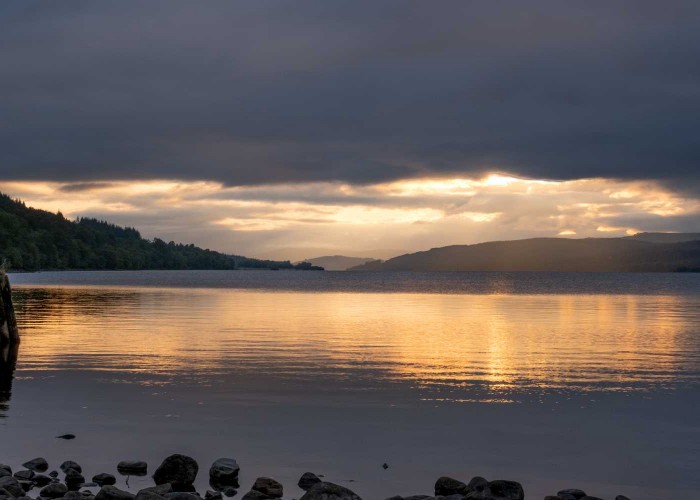

The film location of the fictional stone circle called Craigh na Dun, where Claire travels back in time.
More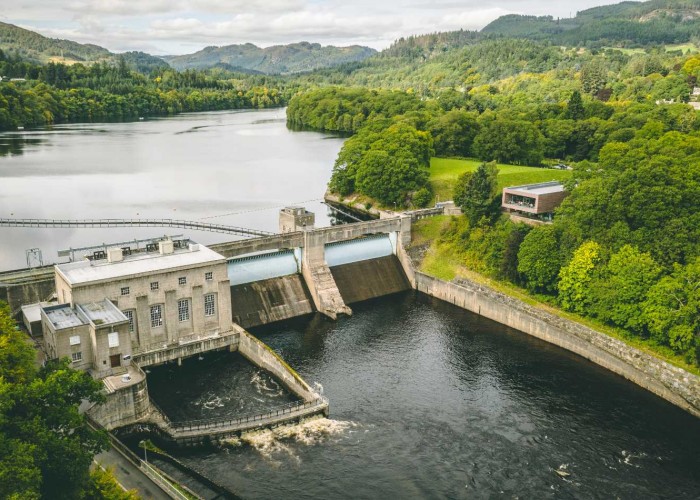
Pitlochry has kept pace with the times. Thousands come from all over the world to make this one of the most important stops on the
More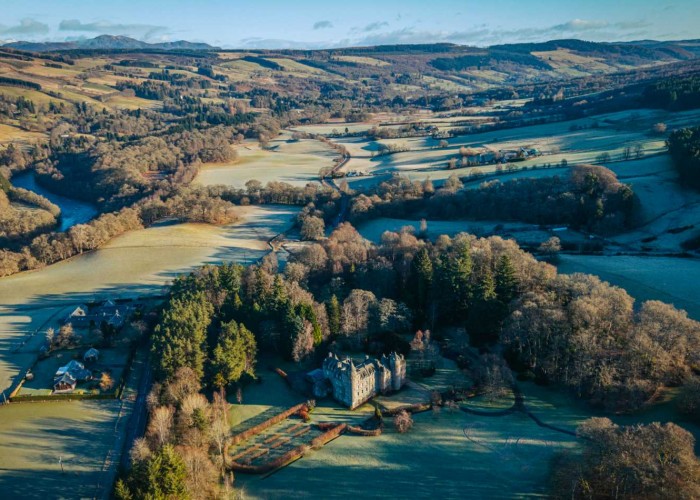

St Mary's Chapel in Grantully near Aberfeldy with a magnificent 1600s painted ceiling
More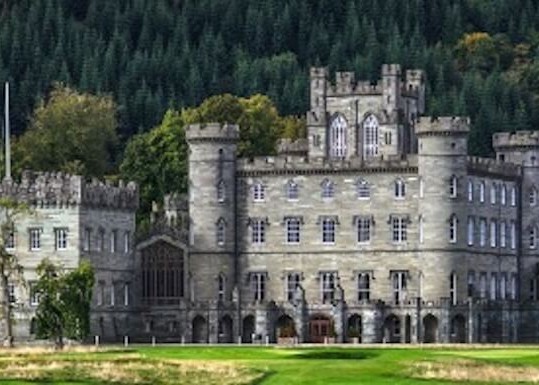
The spectacular Gothic edifice of Taymouth Castle is one of the grandest buildings in Scotland. Most was completed in 1807 by
More
Much of what is now called Breadalbane used to be in Atholl but the incoming Campbells of Glenorchy took the name as the title of
More
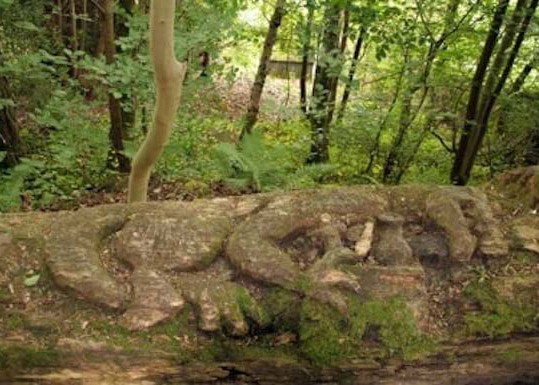
The name comes from the word 'uamh' in Gaelic which means cave. The caves are in the wooded crags above the village
More
Recently crop marks have been observed much closer to the village and, although confirmation is still needed, they show signs of b
More
Dunalastair and the estate is home to rare wildlife of Perthshire with offers scenic strolls around famous gardens
More
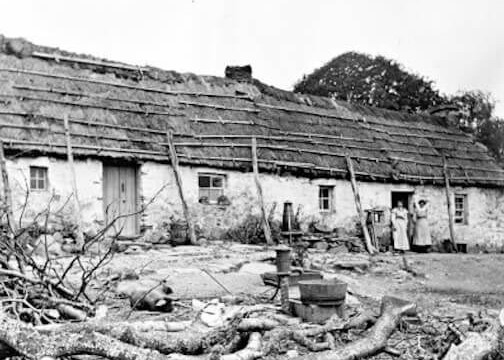

Some appreciate Highland Perthshire as no more than one of the most beautiful parts of Scotland.
More
The chiefs of Clan Menzies used to have their seat at Comrie Castle on the south bank of the river Lyon
More
Dunkeld and its cathedral were saved by the Dukes of Atholl. They were the law across 500 square miles of the Highl
More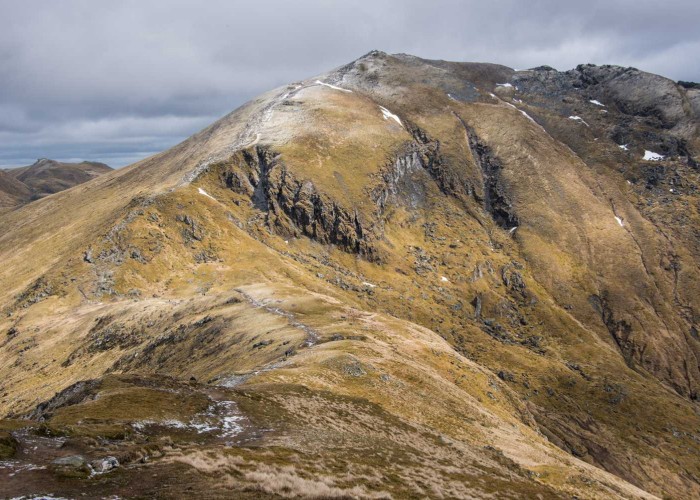
In the last few summers, Glasgow University archeologists have been exploring the mountain and have discovered t
More
Once fortifications would have covered the site of Garth Castle but now only the central keep remains
More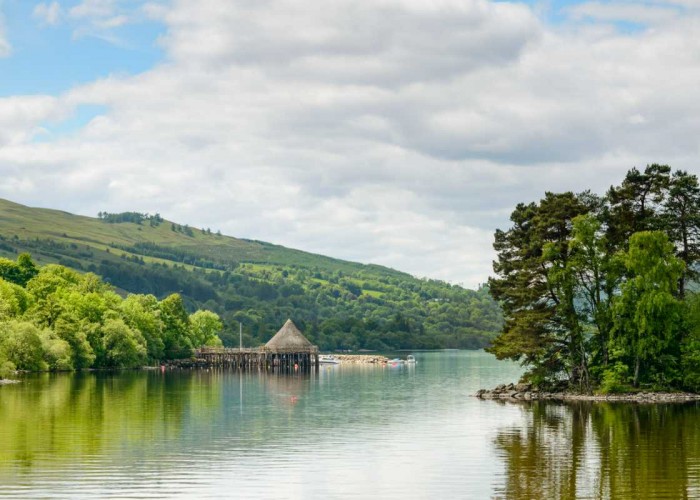
This, Scotland's sixth biggest loch, covers six and half thousand acres in its 14 miles between Kenmore and Killin. For thousan
More
The Glen was once home to over a thousand folk and on one of the best trodden thoroughfares between the western Highlands and the E
More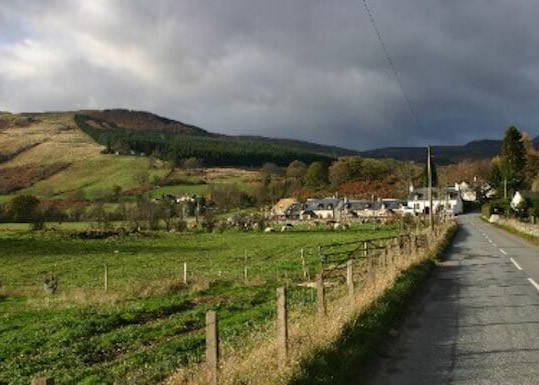
The statue to David Stewart of Garth, erected by the Stewart Society in 1925, in the uniform of a Black Watch captain
More
The double stone circle of Mary's Croft, an impressive standing stone monument in highland Perthshire
More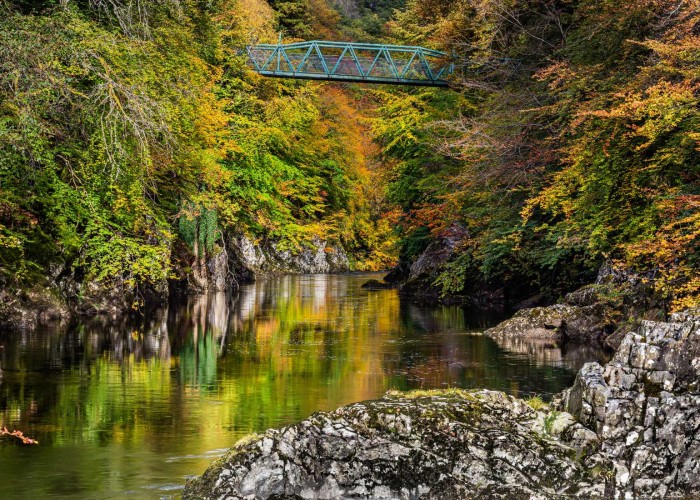

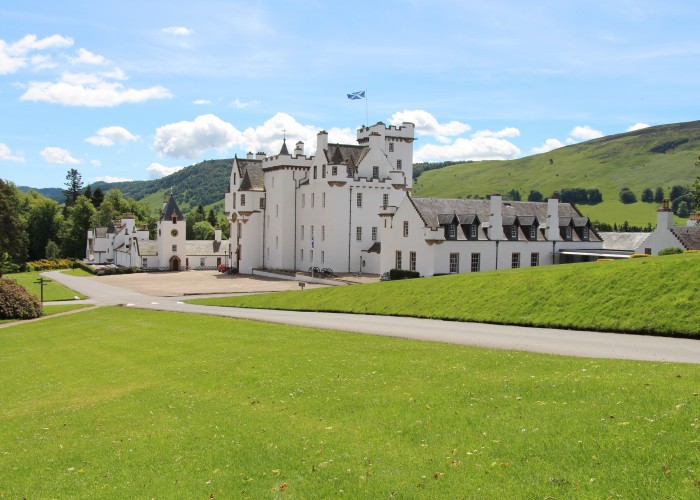

Aberfeldy is what used to be called a thriving market town. The market has long closed but the town still thrives.
More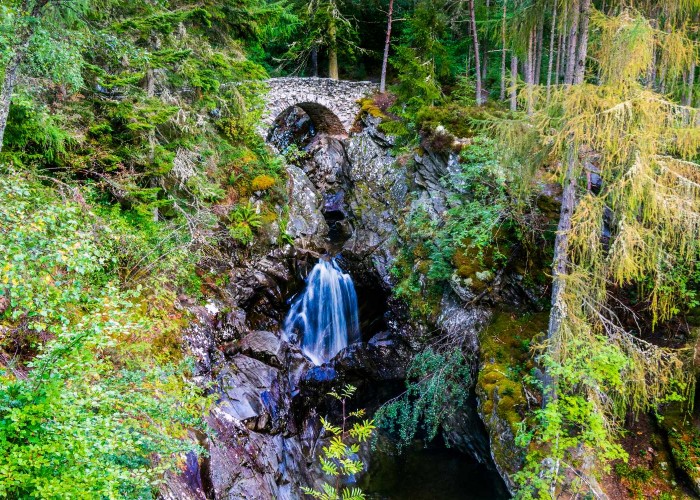
The site of the clan centre at Bruar is at the base of one of those spectacular gorges carved through soft rock by a burn in spate
More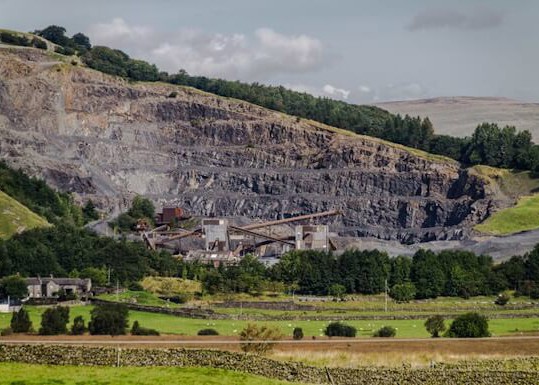
The history behind Shierglas Quarry - Set back the busy A9 road, connecting the south and north of Scotland.
More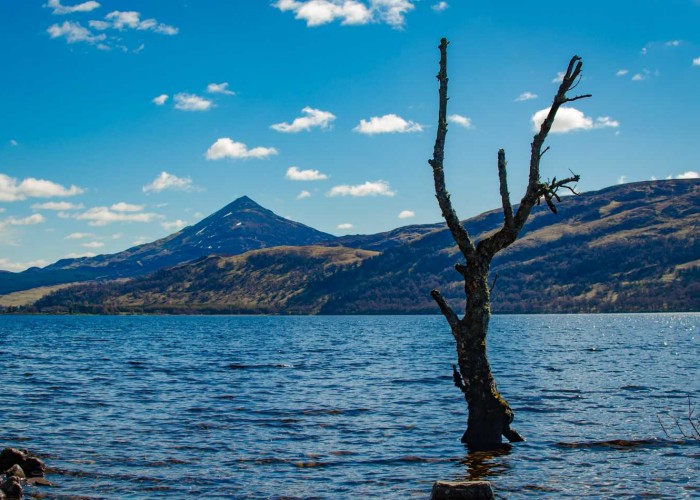
Like an island, the peak of Schiehallion stood above the ice. The millennia of frost left the shattered boulders and scree that
More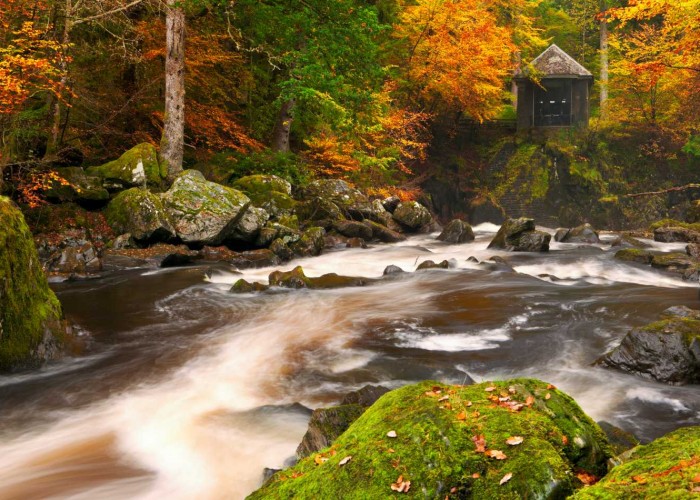
The building contained a chandelier and its walls were lined with mirrors reflecting the falls of turbulent river which was int
More
The castle, in private hands, dates from the late 1600s but doubled in size early this century.
More