
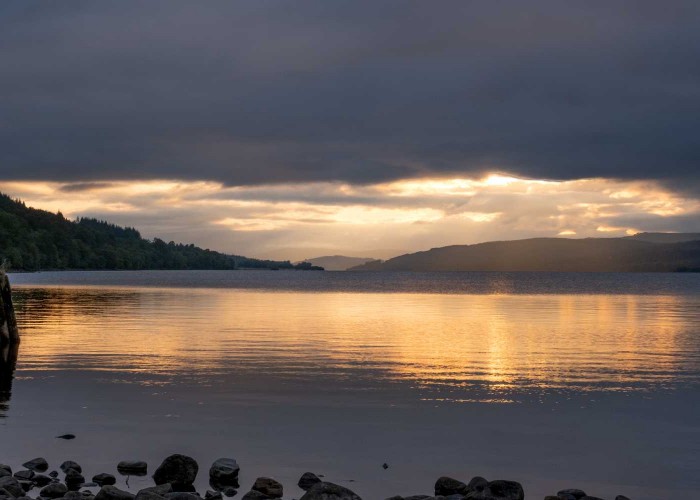
Rannoch
The village of Kinloch Rannoch was created in the period after the '45. It is a nomenclatural oddity.
MoreNestling sadly beneath the quarry on the south side of the A9 opposite Blair Atholl is the mansion house of Stewarts of Shierglas. Built about 1720 this is a typical example of the type of dwelling built by the lairds in the eighteenth century. The east gable has collapsed since 1990. In 1765, the laird went to market at Moulin. In the evening he supped in the inn with his brother-in-law, the Stewart laird of Bonskeid. This man was locally feared and disliked since he forced his tenants and others to join the army so that he could take the bounty money. During the evening an altercation erupted between the two men who were almost certainly drunk. Shierglas was said to be eating cheese using his dirk and cut himself on the lip. Enraged by the laughter of the others, he lashed out and caught his brother-in-law beneath the chin and killed him.
It was believed that the ghost of a murdered man would haunt his assassin unless he paid homage at the victim's burial. Shierglas watched the funeral procession from the hillside before fleeing to Holland with his family to escape facing trial for murder. There he joined the Scots brigade of the Prince of Orange. Eventually he was pardoned, returned home and the families were reconciled. The killer's daughter was in the congregation at Blair Atholl when her son-in-law, the Rev Alexander Irvine, preached to Queen Victoria when she visited Blair in 1844. He chose as his text 'Ye are the salt of the earth.' Lady Charlotte Canning, a lady in waiting, reported that her Majesty did not enjoy the service.

The village of Kinloch Rannoch was created in the period after the '45. It is a nomenclatural oddity.
More
Situated in the central part of Scotland, Strathtummel is within easy reach of highland Perthshire, home to historical sites and
More
Along the north face of the strath between Logierait and Aberfeldy are eleven estates whose boundaries have been largely unchanged
More
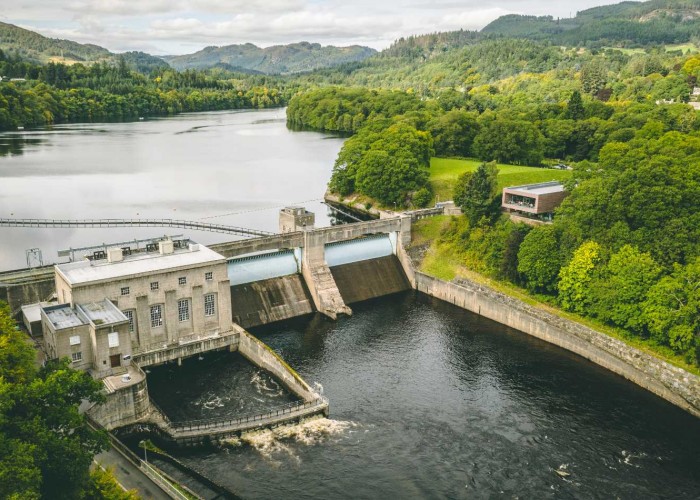
Pitlochry has kept pace with the times. Thousands come from all over the world to make this one of the most important stops on the
More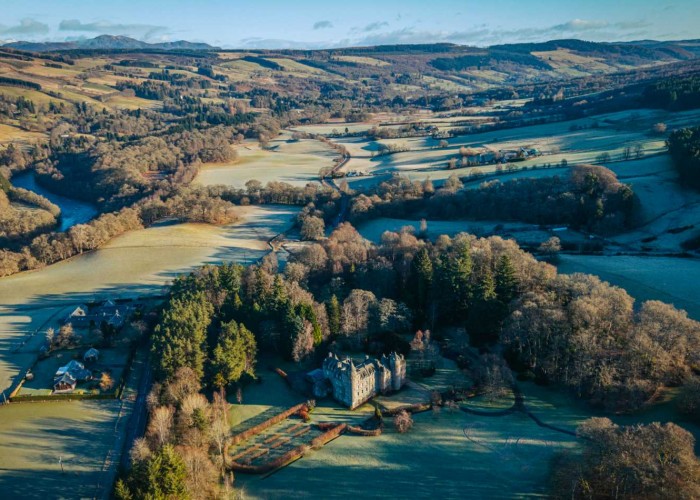

St Mary's Chapel in Grantully near Aberfeldy with a magnificent 1600s painted ceiling
More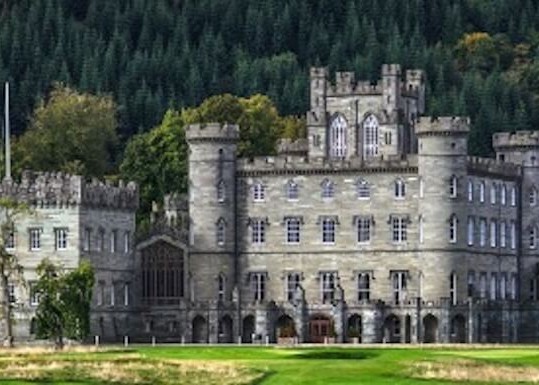
The spectacular Gothic edifice of Taymouth Castle is one of the grandest buildings in Scotland. Most was completed in 1807 by
More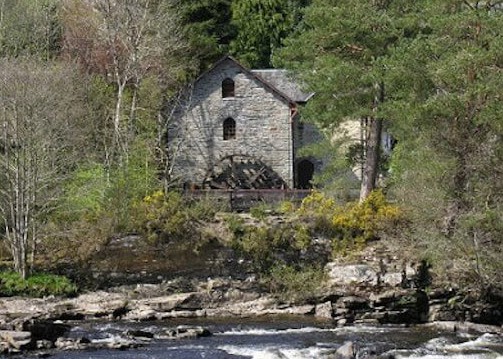
Much of what is now called Breadalbane used to be in Atholl but the incoming Campbells of Glenorchy took the name as the title of
More
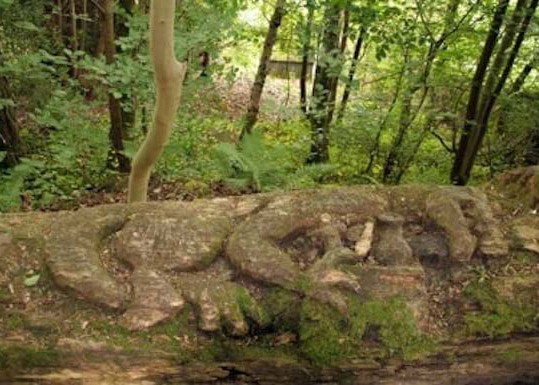
The name comes from the word 'uamh' in Gaelic which means cave. The caves are in the wooded crags above the village
More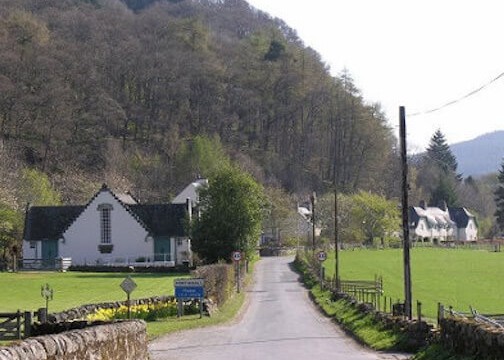
Recently crop marks have been observed much closer to the village and, although confirmation is still needed, they show signs of b
More
Dunalastair and the estate is home to rare wildlife of Perthshire with offers scenic strolls around famous gardens
More
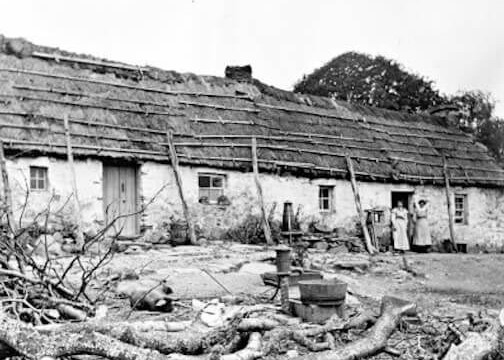

Some appreciate Highland Perthshire as no more than one of the most beautiful parts of Scotland.
More
The chiefs of Clan Menzies used to have their seat at Comrie Castle on the south bank of the river Lyon
More
Dunkeld and its cathedral were saved by the Dukes of Atholl. They were the law across 500 square miles of the Highl
More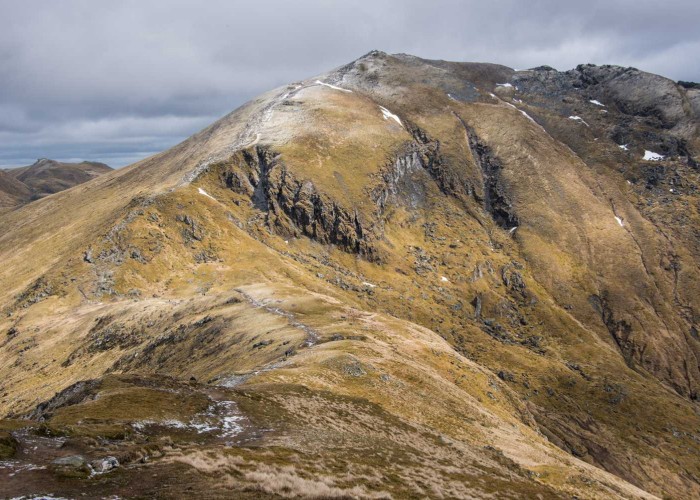
In the last few summers, Glasgow University archeologists have been exploring the mountain and have discovered t
More
Once fortifications would have covered the site of Garth Castle but now only the central keep remains
More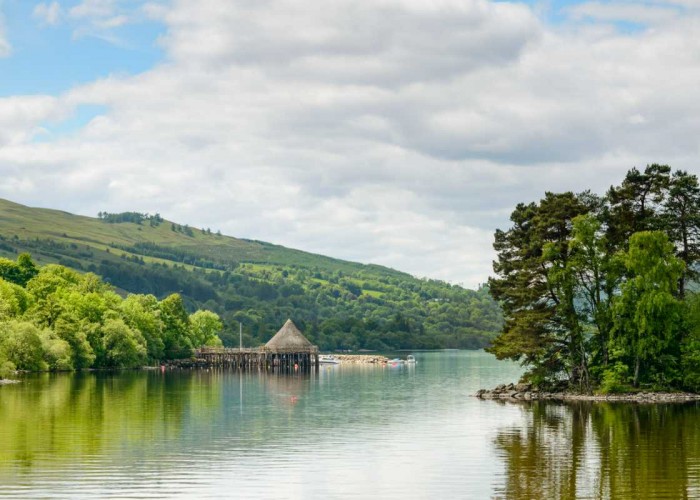
This, Scotland's sixth biggest loch, covers six and half thousand acres in its 14 miles between Kenmore and Killin. For thousan
More
The Glen was once home to over a thousand folk and on one of the best trodden thoroughfares between the western Highlands and the E
More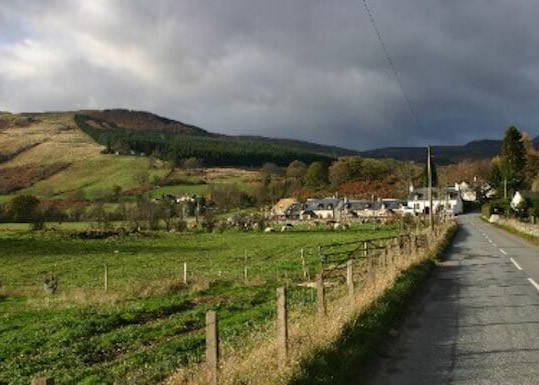
The statue to David Stewart of Garth, erected by the Stewart Society in 1925, in the uniform of a Black Watch captain
More
The double stone circle of Mary's Croft, an impressive standing stone monument in highland Perthshire
More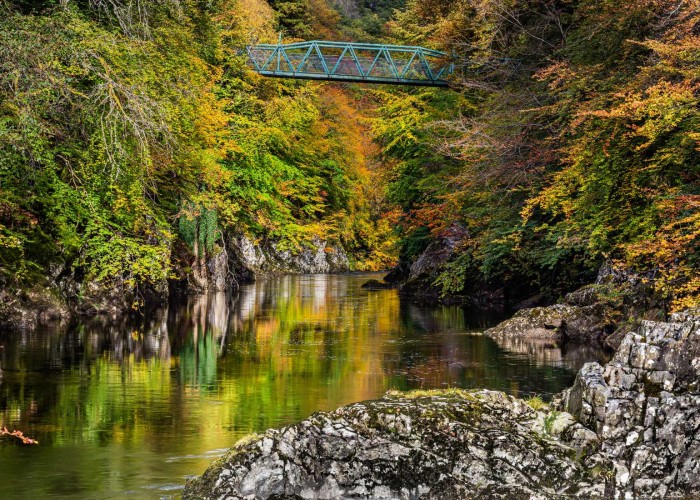

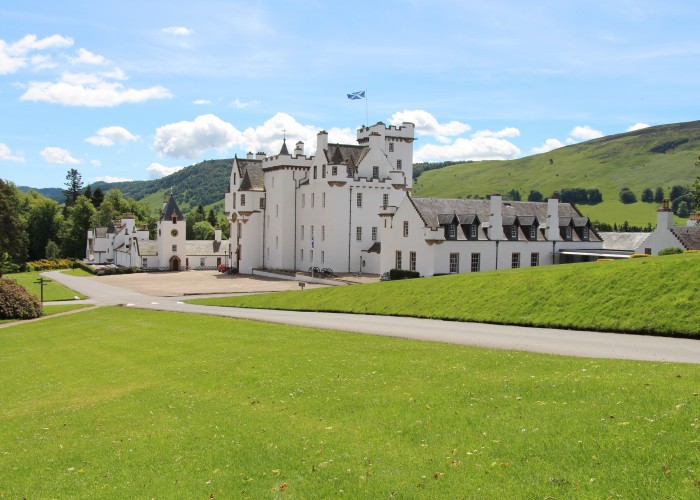

Aberfeldy is what used to be called a thriving market town. The market has long closed but the town still thrives.
More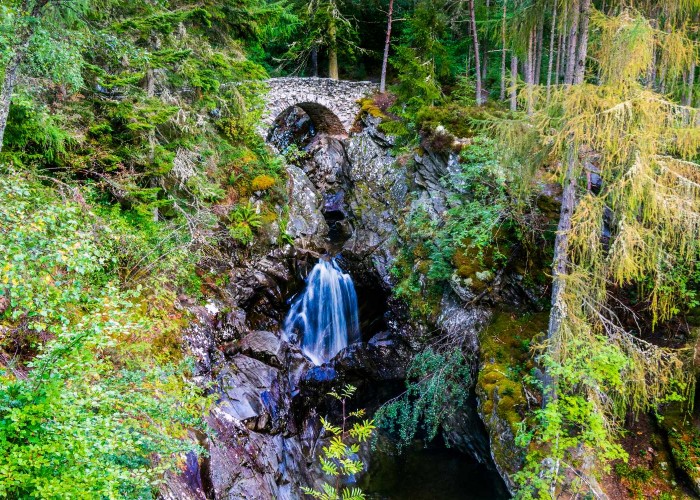
The site of the clan centre at Bruar is at the base of one of those spectacular gorges carved through soft rock by a burn in spate
More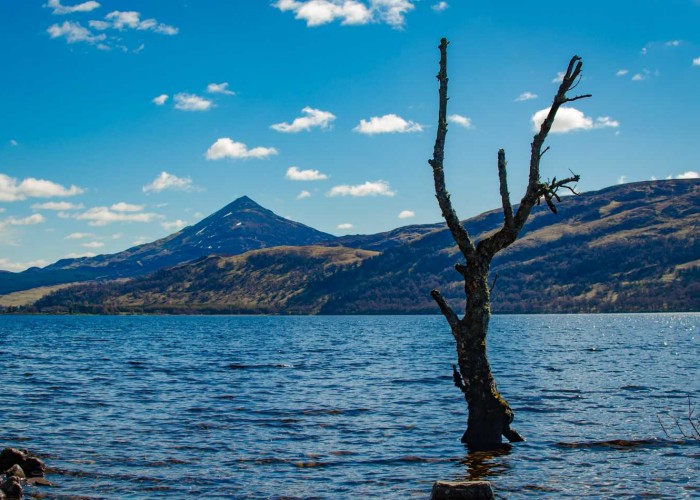
Like an island, the peak of Schiehallion stood above the ice. The millennia of frost left the shattered boulders and scree that
More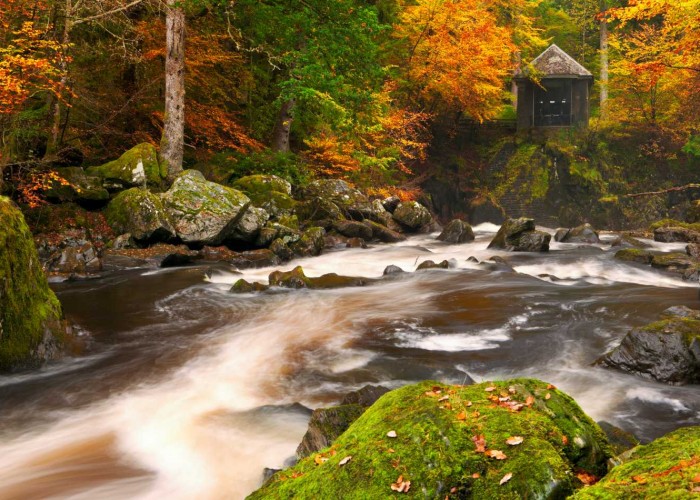
The building contained a chandelier and its walls were lined with mirrors reflecting the falls of turbulent river which was int
More
The castle, in private hands, dates from the late 1600s but doubled in size early this century.
More