
This is what used to be called a thriving market town. The market has long closed but the town still thrives. Outside Inverness nothing larger than a hamlet is of any antiquity in the Highlands. Some towns were created by a local grandee, others grew up when the railway came through, still others were settled by those cleared from the land. For its existence Aberfeldy must thank the Duke of Atholl who failed to show General Wade the respect to which he felt he was entitled and, in 1730, this led the bridge spanning the Tay to be built here rather than at Dunkeld.
Before that Aberfeldy was just one of the little farming townships scattered along the sides of the strath. Most authorities give the origin of the name to 'Mouth of St Palladius' burn'. But it has been pointed out that Palladius never visited Scotland and thus is unlikely to have lived in the Den of Moness as his adherents suggested. A more likely inhabitant to have the town named after him was Paldy, King of the Urisks, who inhabited the falls at the top of the Birks. Urisks were large, strong, uncouth, grumpy beings - half man half goat - who lived by water and loitered round farmyards at harvest time hoping for hand outs. Paldy would have prospered for he could pop out the top of his falls and scrounge round the regular market at Margmore which served this once heavily populated area. Paldy and his subjects were enjoying a ceilidh in a shed above Loch Tay when they were gatecrashed by a shepherd. This gave them such a fright that they all emigrated from the district.

During the late eighteenth and early nineteenth centuries the biggest cash earner for the Highlands was the distilling of whisky. The Dewars, originally the keepers of the sacred relics of St Fillan, emerged from the ranks of dozens of illegal whisky makers in Atholl and Breadalbane to build the distillery just to the east of the town, gain a peerage, move into a castle, and found Distillers Company Ltd. You can buy the Aberfeldy Malt at the Visitor Centre, but, save for those few bottles sold locally, all the product goes to add quality to Dewar's blended brands.
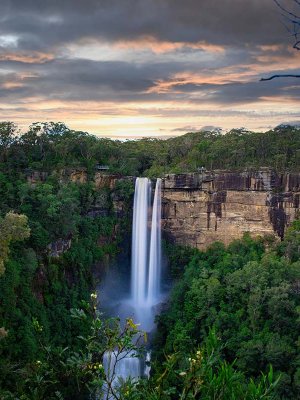
The Moness burn joins the Tay through the golf course. Behind the war memorial in the centre of town it runs through woods and lawns. Follow its course upwards and you enter the Den of Moness, a cathedral of giant beech trees. Above here, the burn has carved a gorge and along with its tributaries crashes down through the ancient woodland in a myriad of cascades. By one of these is a convenient, if invariably damp, ledge of rock where, so a plaque tell us, Robert Burns sat and wrote his song 'The Birks of Aberfeldie' which forever set this place amongst the official beauty spots of the nation. A path winds up each side of the ravine, crossing above the high falls where Paldy the Urisk once lived. In summer the water gently streamers down the face of the cliff. After winter rain it turns peat-brown, grows a hundred-fold and thunders into its cauldron shaking the solid rock of the gorge side. In late afternoon when the storm has passed, the sun paints rings of rainbows in the cataract's spray.
Find your local branch for Clan Donnachaidh memebers that are based in New Zealand.
More
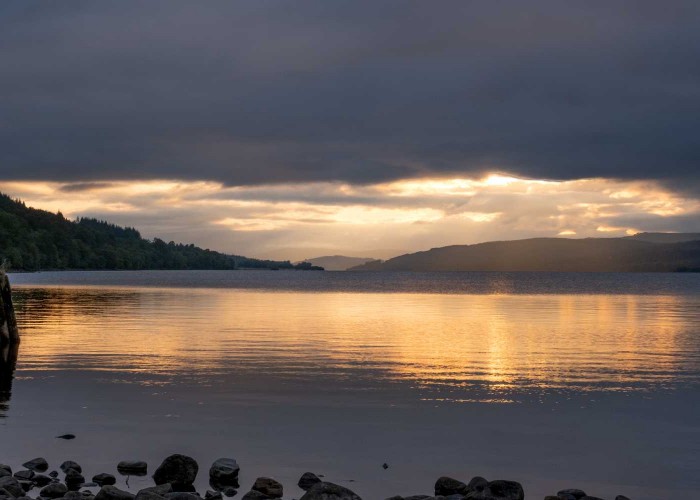
The village of Kinloch Rannoch was created in the period after the '45. It is a nomenclatural oddity.
More
Situated in the central part of Scotland, Strathtummel is within easy reach of highland Perthshire, home to historical sites and
More
Along the north face of the strath between Logierait and Aberfeldy are eleven estates whose boundaries have been largely unchanged
More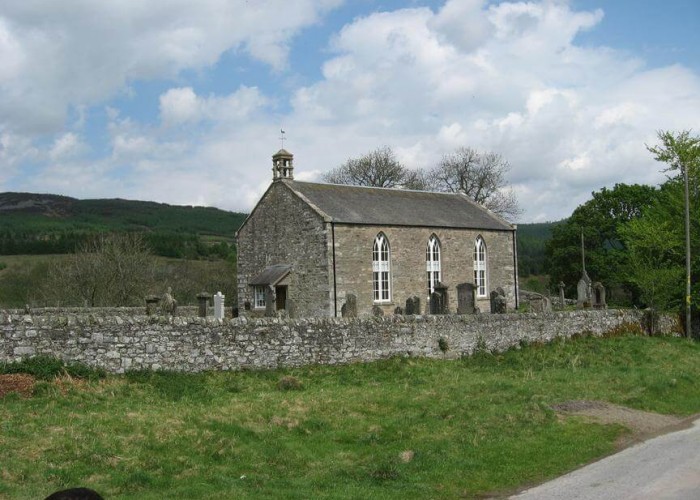
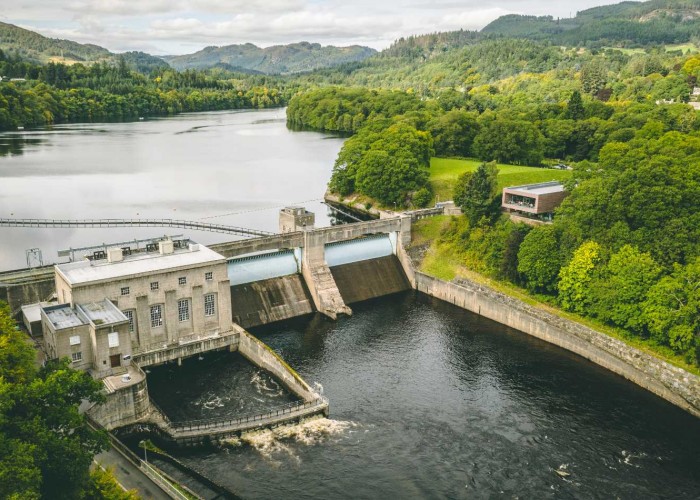
Pitlochry has kept pace with the times. Thousands come from all over the world to make this one of the most important stops on the
More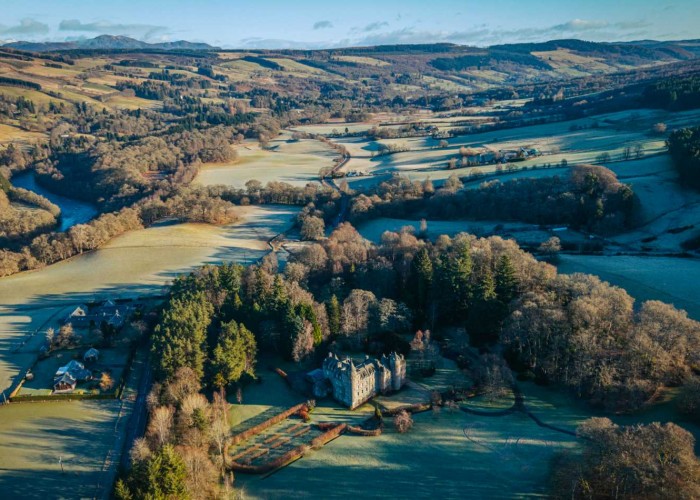

St Mary's Chapel in Grantully near Aberfeldy with a magnificent 1600s painted ceiling
More
The spectacular Gothic edifice of Taymouth Castle is one of the grandest buildings in Scotland. Most was completed in 1807 by
More
Much of what is now called Breadalbane used to be in Atholl but the incoming Campbells of Glenorchy took the name as the title of
More
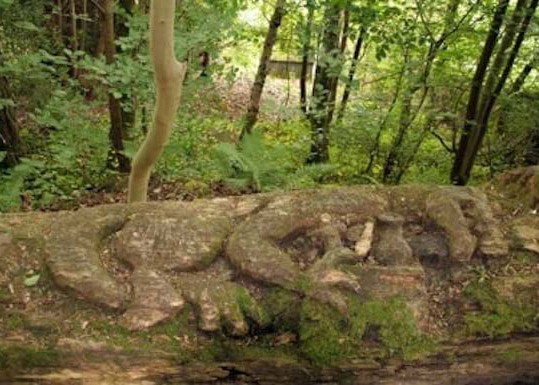
The name comes from the word 'uamh' in Gaelic which means cave. The caves are in the wooded crags above the village
More
Recently crop marks have been observed much closer to the village and, although confirmation is still needed, they show signs of b
More
Dunalastair and the estate is home to rare wildlife of Perthshire with offers scenic strolls around famous gardens
More

Some appreciate Highland Perthshire as no more than one of the most beautiful parts of Scotland.
More
The chiefs of Clan Menzies used to have their seat at Comrie Castle on the south bank of the river Lyon
More
Dunkeld and its cathedral were saved by the Dukes of Atholl. They were the law across 500 square miles of the Highl
More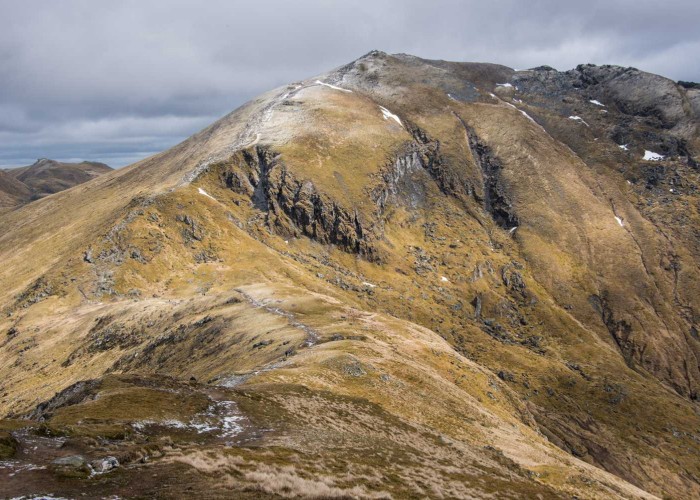
In the last few summers, Glasgow University archeologists have been exploring the mountain and have discovered t
More
Once fortifications would have covered the site of Garth Castle but now only the central keep remains
More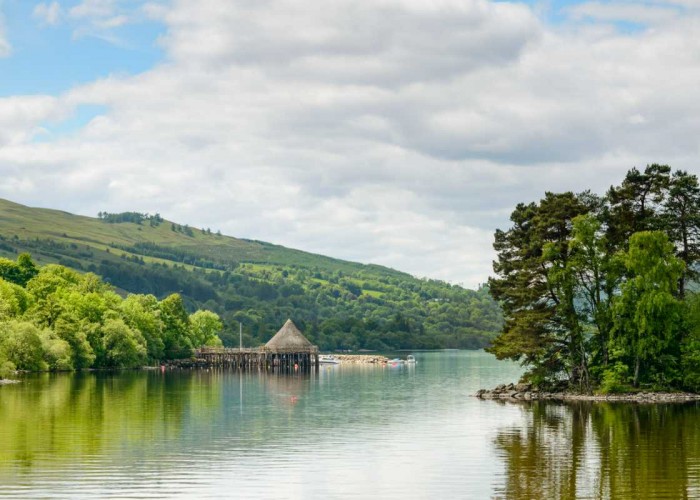
This, Scotland's sixth biggest loch, covers six and half thousand acres in its 14 miles between Kenmore and Killin. For thousan
More
The Glen was once home to over a thousand folk and on one of the best trodden thoroughfares between the western Highlands and the E
More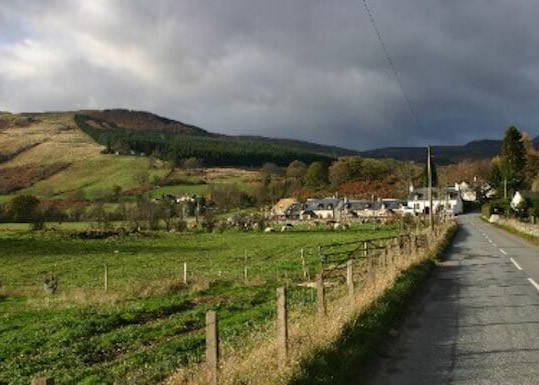
The statue to David Stewart of Garth, erected by the Stewart Society in 1925, in the uniform of a Black Watch captain
More
The double stone circle of Mary's Croft, an impressive standing stone monument in highland Perthshire
More

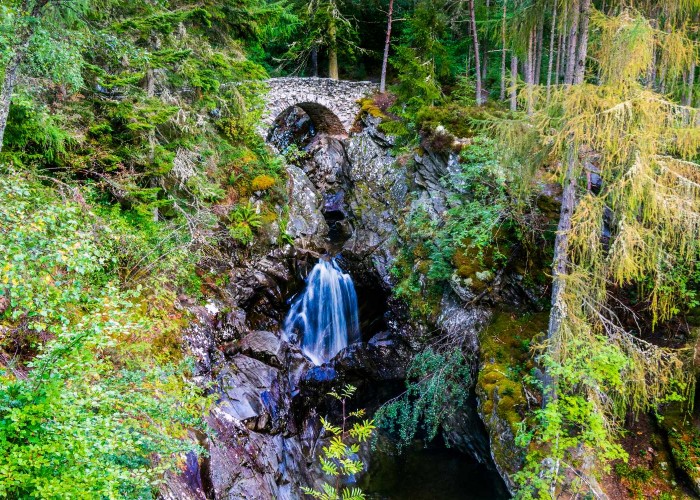
The site of the clan centre at Bruar is at the base of one of those spectacular gorges carved through soft rock by a burn in spate
More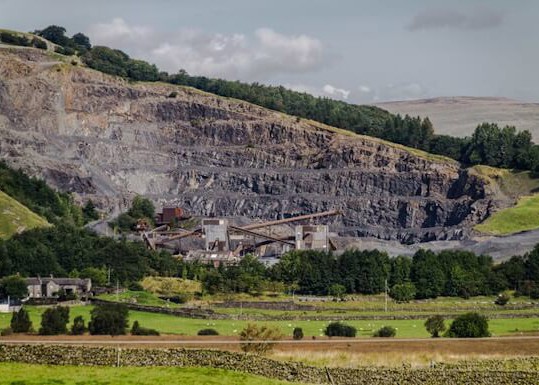
The history behind Shierglas Quarry - Set back the busy A9 road, connecting the south and north of Scotland.
More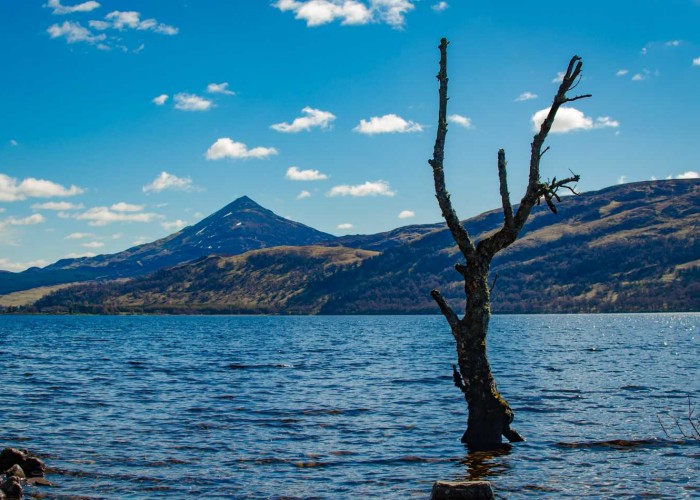
Like an island, the peak of Schiehallion stood above the ice. The millennia of frost left the shattered boulders and scree that
More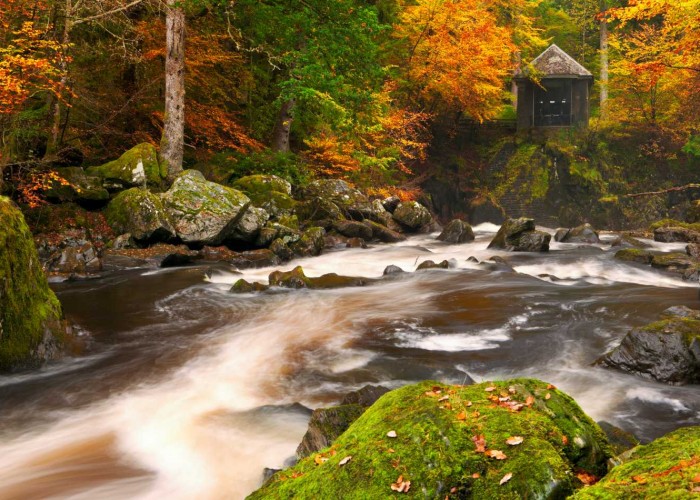
The building contained a chandelier and its walls were lined with mirrors reflecting the falls of turbulent river which was int
More
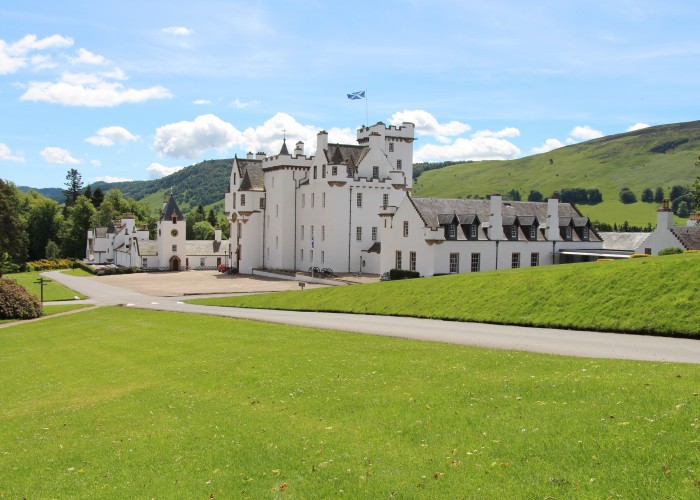
The castle, in private hands, dates from the late 1600s but doubled in size early this century.
More