
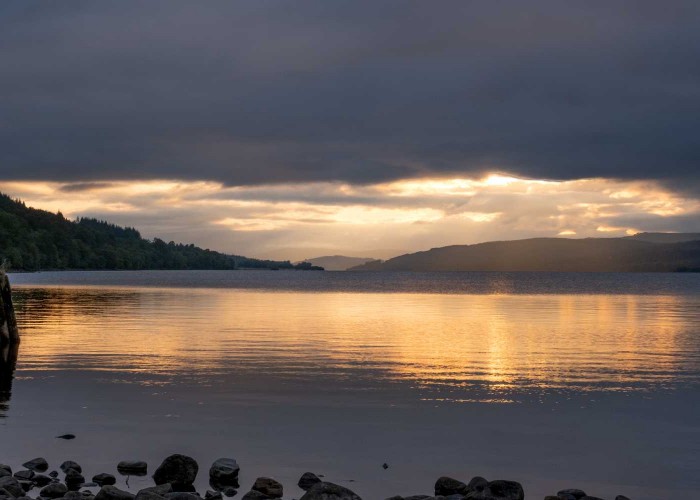
Rannoch
The village of Kinloch Rannoch was created in the period after the '45. It is a nomenclatural oddity.
MoreWade's great highway from Crieff crossed the river at Tummel Bridge. To the west there were only paths. This was by human design.
Alexander Robertson of Struan (1670-1749), chief of the Clan Donnachaidh, had his seat at Dunalastair on the north side of the Tummel by Schiehallion. An annoyance to the government for his Jacobite politics all his life, he also annoyed his neighbours for doing nothing to discourage those on his lands from cattle theft.
The other lairds jocularly referred to him as the Tyrant or the Elector of Rannoch. He distrusted women, was an ineffectual yet enthusiastic soldier, and a mighty toper. He deliberately kept the roads into his domain in bad condition to discourage visitors and agents of authority. On the few occasions that debt collectors managed to penetrate as far as his Hermitage at Dunalastair, his clansmen threw them into the river or bounced them back across Tummel bridge outraged at their temerity in demanding money from their chief.
Plenty of chiefs were barbarians, but Struan was in some respects the most civilised of men. He was a poet - his work may not have stood the test of time but his contemporaries were suitably impressed - not only in English and Gaelic but also in Italian, Latin, and French. Long periods of his life were spent in exile with the Jacobites in St Germains and Avignon. King James called him the first gentleman of his court.
By the time of the '45 Struan was an old man but still led his clan down to the Battle of Prestonpans. After the victory he appropriated the gold chain, the wolf-fur cloak, the brandy, and the carriage belonging to the defeated commander, Sir John Cope. His clansmen escorted him back home. For the last few miles after a wheel had broken, they carried the coach on their shoulders. Inside Cope's coach was a slab of chocolate. This was viewed with deep suspicion and discarded. The Chief's portrait depicts him holding a glass and toasting the spectator, an appropriate pose since it is recorded that the Duke of Perth was hors de combat when Bonnie Prince Charlie sent his summons in 1745. The duke had been staying with Struan and it took him several weeks to recover from the effect of the drink he had consumed.

In earlier centuries the Robertson chiefs were lords over much of Perthshire. By the time of the poet chief, the clan lands were restricted to the south shore of Loch Rannoch, some parts of Glen Errochty, lands round Fearnan on Loch Tay, and the old man's own home at Dunalastair. Love of his own 'country' was one of the distinguishing characteristics of the Highlander. Struan took this to extremes and was one of the many writers who described this part of Scotland as paradise and, when he left it, would announce that he was descending into the world.
The road to the north of Dunalastair joins up with the Wade road across Tummel bridge. This still winds up the hillside above Trinafour but is now a branch off the route though Glen Errochty to Struan and Calvine. This glen was once dominated by the Clan Donnachaidh but these lands were lost to the earl of Atholl in 1515. A good half of the Robertson lairds were thenceforth supposed to follow the Atholl family rather than their chief. And sometimes they did.
Read about Dunalastair Estate's more recent history here - https://www.dunalastair.com/Dunalastair-Estate
The village of Kinloch Rannoch was created in the period after the '45. It is a nomenclatural oddity.
More
Situated in the central part of Scotland, Strathtummel is within easy reach of highland Perthshire, home to historical sites and
More
Along the north face of the strath between Logierait and Aberfeldy are eleven estates whose boundaries have been largely unchanged
More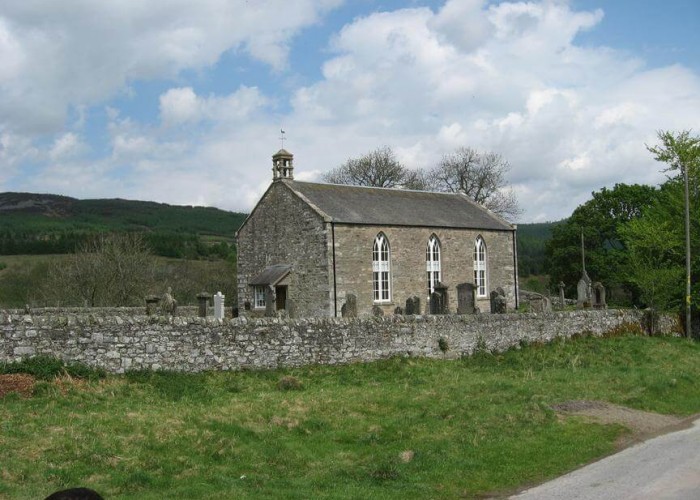

The film location of the fictional stone circle called Craigh na Dun, where Claire travels back in time.
More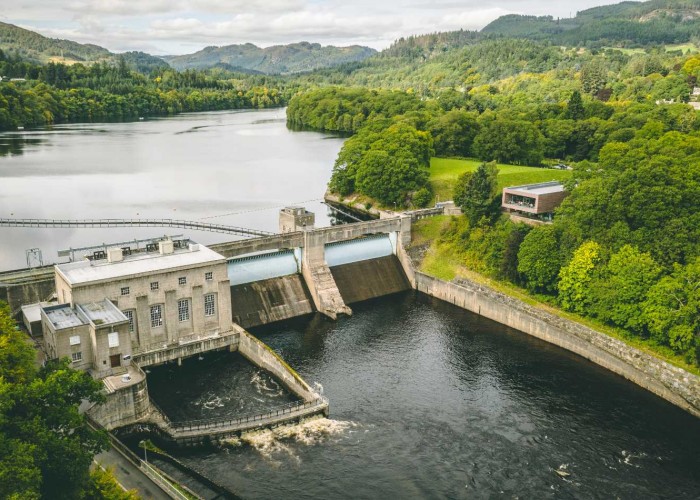
Pitlochry has kept pace with the times. Thousands come from all over the world to make this one of the most important stops on the
More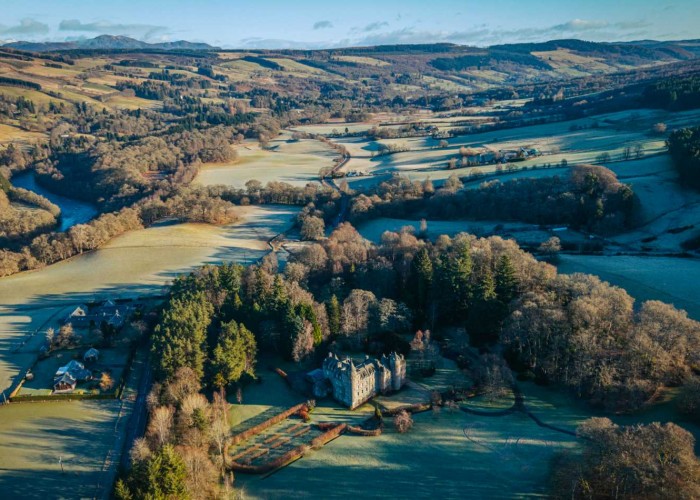

St Mary's Chapel in Grantully near Aberfeldy with a magnificent 1600s painted ceiling
More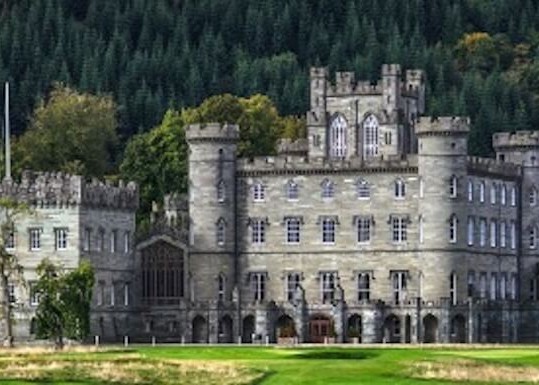
The spectacular Gothic edifice of Taymouth Castle is one of the grandest buildings in Scotland. Most was completed in 1807 by
More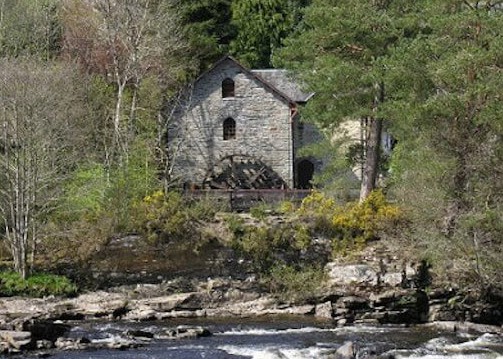
Much of what is now called Breadalbane used to be in Atholl but the incoming Campbells of Glenorchy took the name as the title of
More
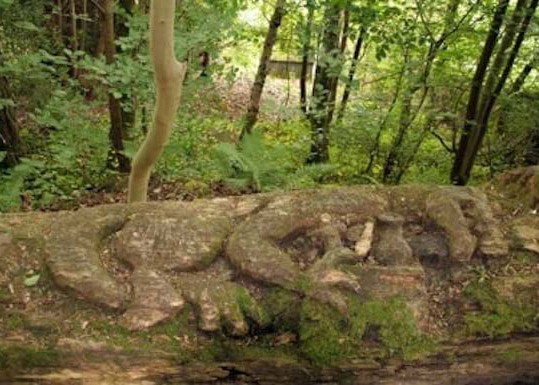
The name comes from the word 'uamh' in Gaelic which means cave. The caves are in the wooded crags above the village
More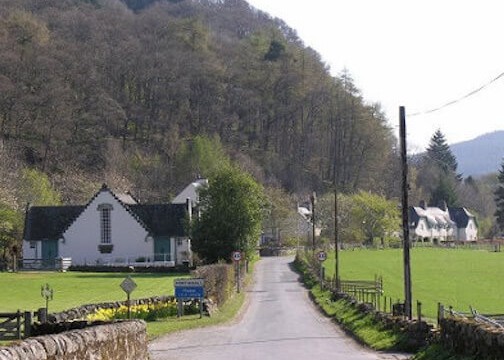
Recently crop marks have been observed much closer to the village and, although confirmation is still needed, they show signs of b
More
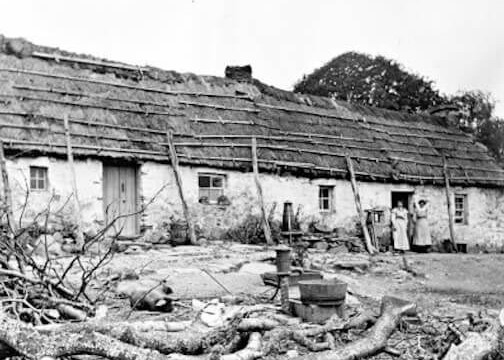

Some appreciate Highland Perthshire as no more than one of the most beautiful parts of Scotland.
More
The chiefs of Clan Menzies used to have their seat at Comrie Castle on the south bank of the river Lyon
More
Dunkeld and its cathedral were saved by the Dukes of Atholl. They were the law across 500 square miles of the Highl
More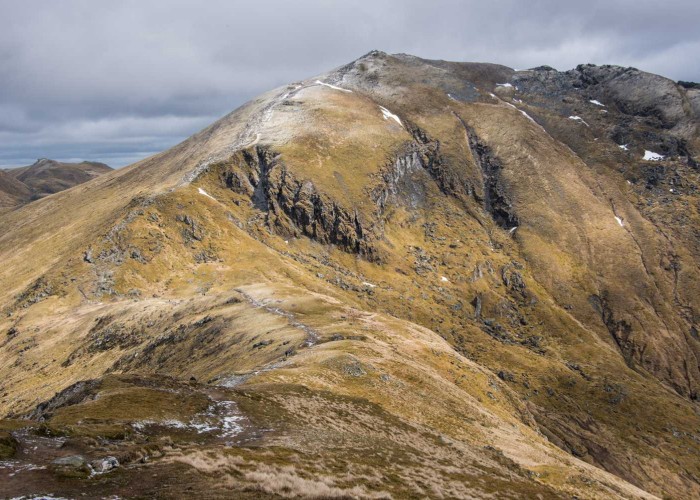
In the last few summers, Glasgow University archeologists have been exploring the mountain and have discovered t
More
Once fortifications would have covered the site of Garth Castle but now only the central keep remains
More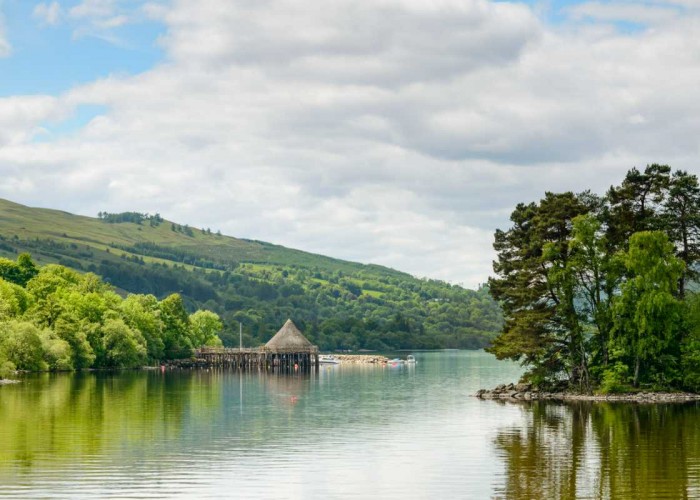
This, Scotland's sixth biggest loch, covers six and half thousand acres in its 14 miles between Kenmore and Killin. For thousan
More
The Glen was once home to over a thousand folk and on one of the best trodden thoroughfares between the western Highlands and the E
More
The statue to David Stewart of Garth, erected by the Stewart Society in 1925, in the uniform of a Black Watch captain
More
The double stone circle of Mary's Croft, an impressive standing stone monument in highland Perthshire
More

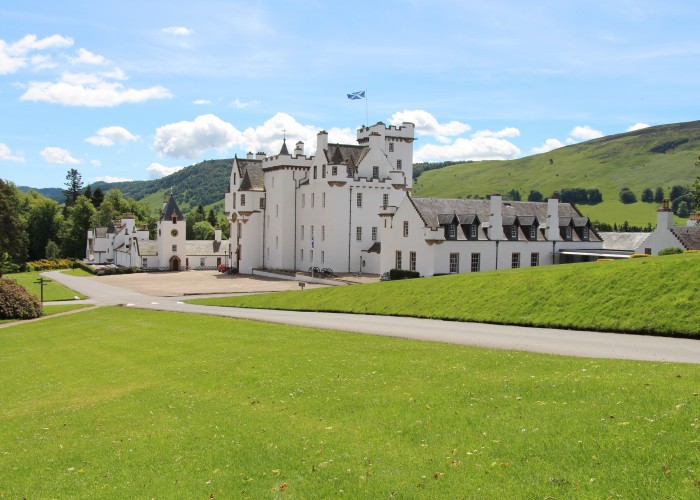

Aberfeldy is what used to be called a thriving market town. The market has long closed but the town still thrives.
More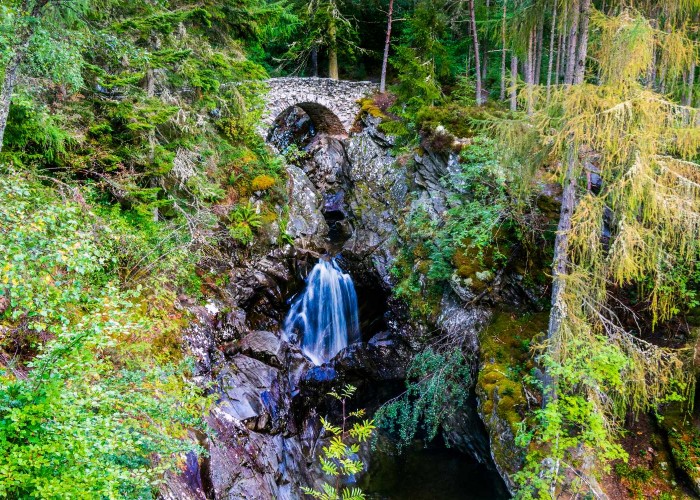
The site of the clan centre at Bruar is at the base of one of those spectacular gorges carved through soft rock by a burn in spate
More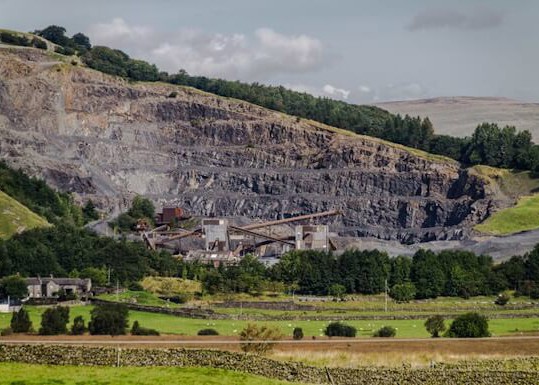
The history behind Shierglas Quarry - Set back the busy A9 road, connecting the south and north of Scotland.
More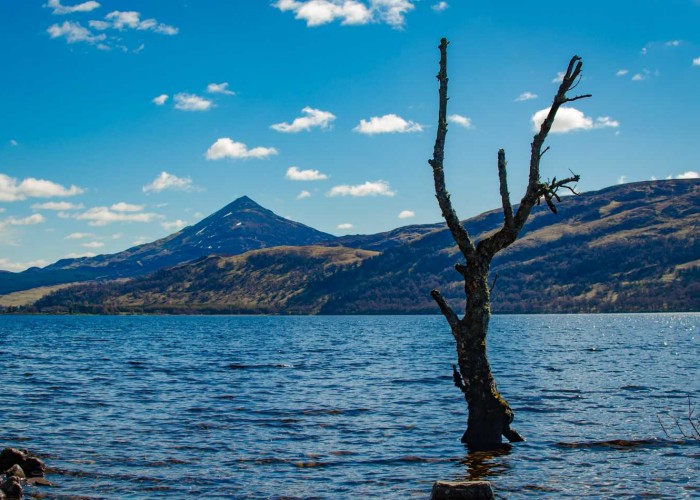
Like an island, the peak of Schiehallion stood above the ice. The millennia of frost left the shattered boulders and scree that
More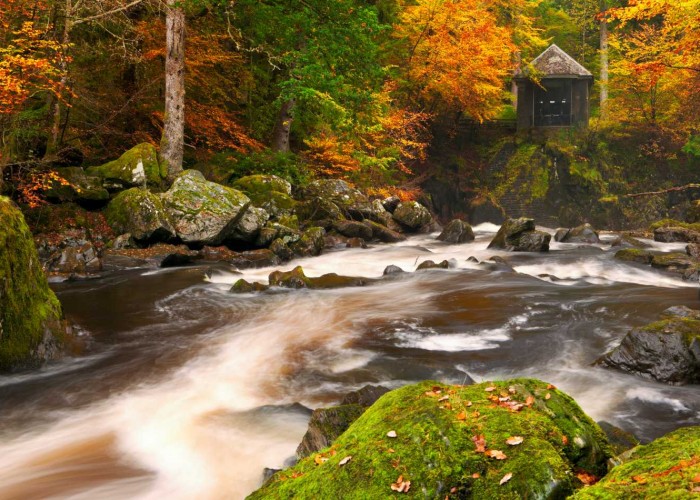
The building contained a chandelier and its walls were lined with mirrors reflecting the falls of turbulent river which was int
More
The castle, in private hands, dates from the late 1600s but doubled in size early this century.
More